
Climbing Mount Toubkal : A No Fuss Guide to Morocco’s Highest Peak
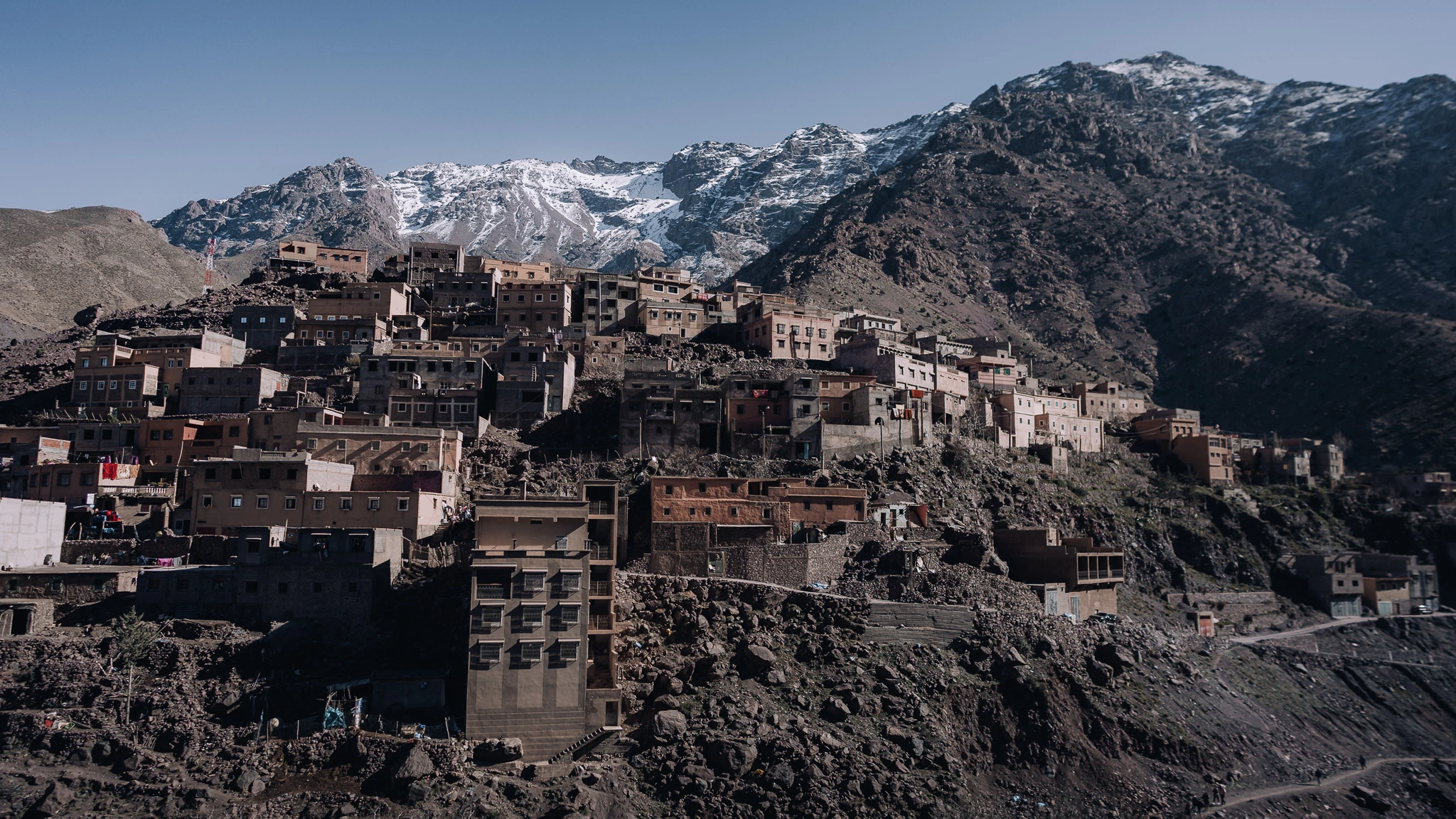
Everything I wish I’d known before hiking North Africa’s highest peak
Words & photography by Pete Rudd
Reading time 8 minutes
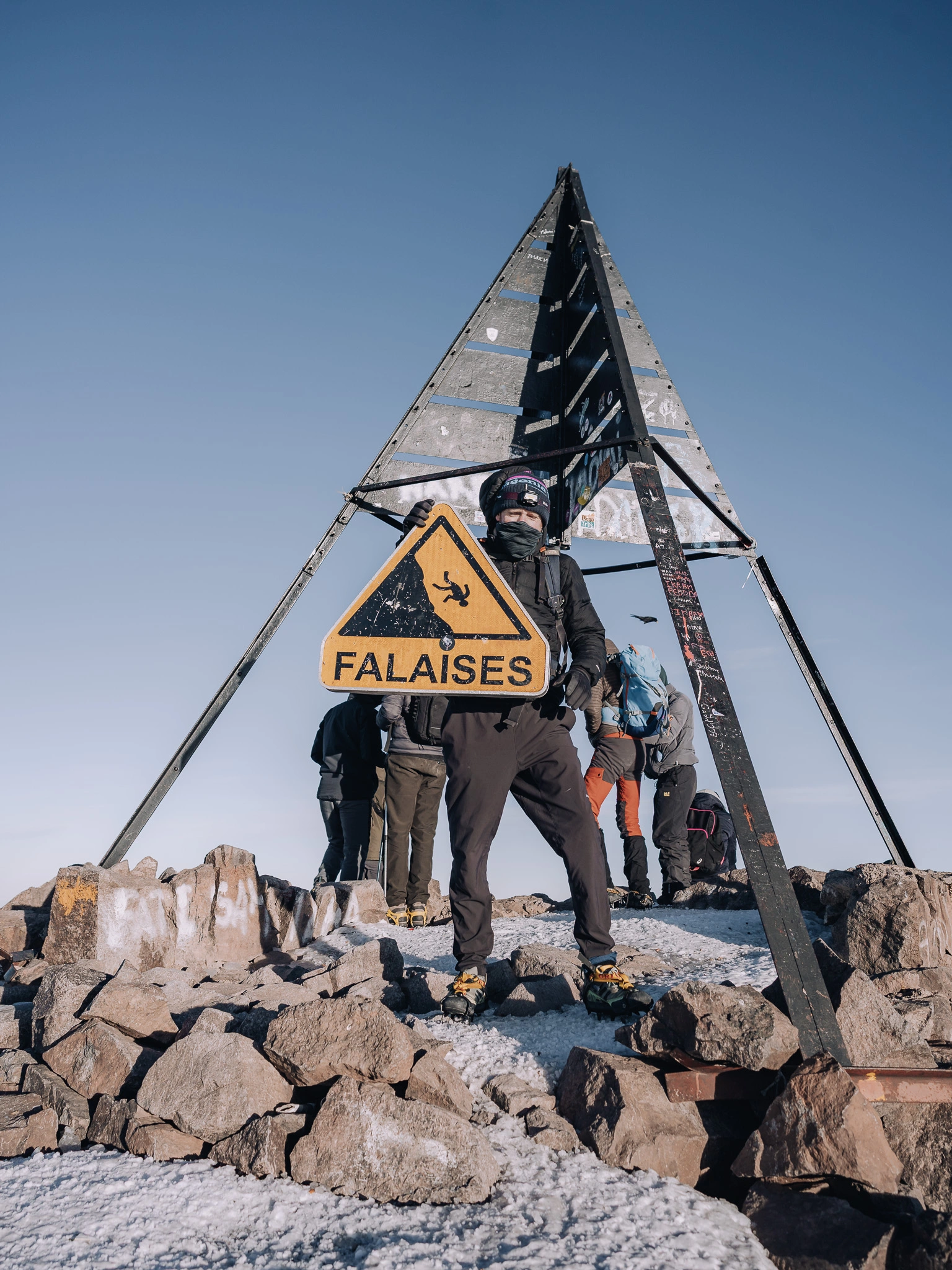
Climbing Mount Toubkal had been on my list for years, and after arriving in Morocco on a fairly spontaneous trip, I finally found myself standing on the highest peak in North Africa at 4,167 metres.
That doesn’t mean it’s easy. The altitude, long days and early start certainly make you work for the summit, but you don’t need to be an experienced mountaineer to climb it.
I decided to climb Toubkal after arriving in Morocco, and what started as a fairly spontaneous idea turned into one of the highlights of my trip.
This isn’t an ultimate mountaineering guide filled with spreadsheets and complicated training plans. It’s simply everything I wish I’d known before I went, from where to stay and what to pack to what the trek is actually like.
If you’re reasonably fit, enjoy hiking and fancy standing on the roof of North Africa, here’s what you need to know.
Start : Imlil, Morocco
Summit : 4167m
Duration : 2 Days
Best season : May – October
Difficulty : Moderate (altitude is the real challenge)
Staying at Berber Family Lodge
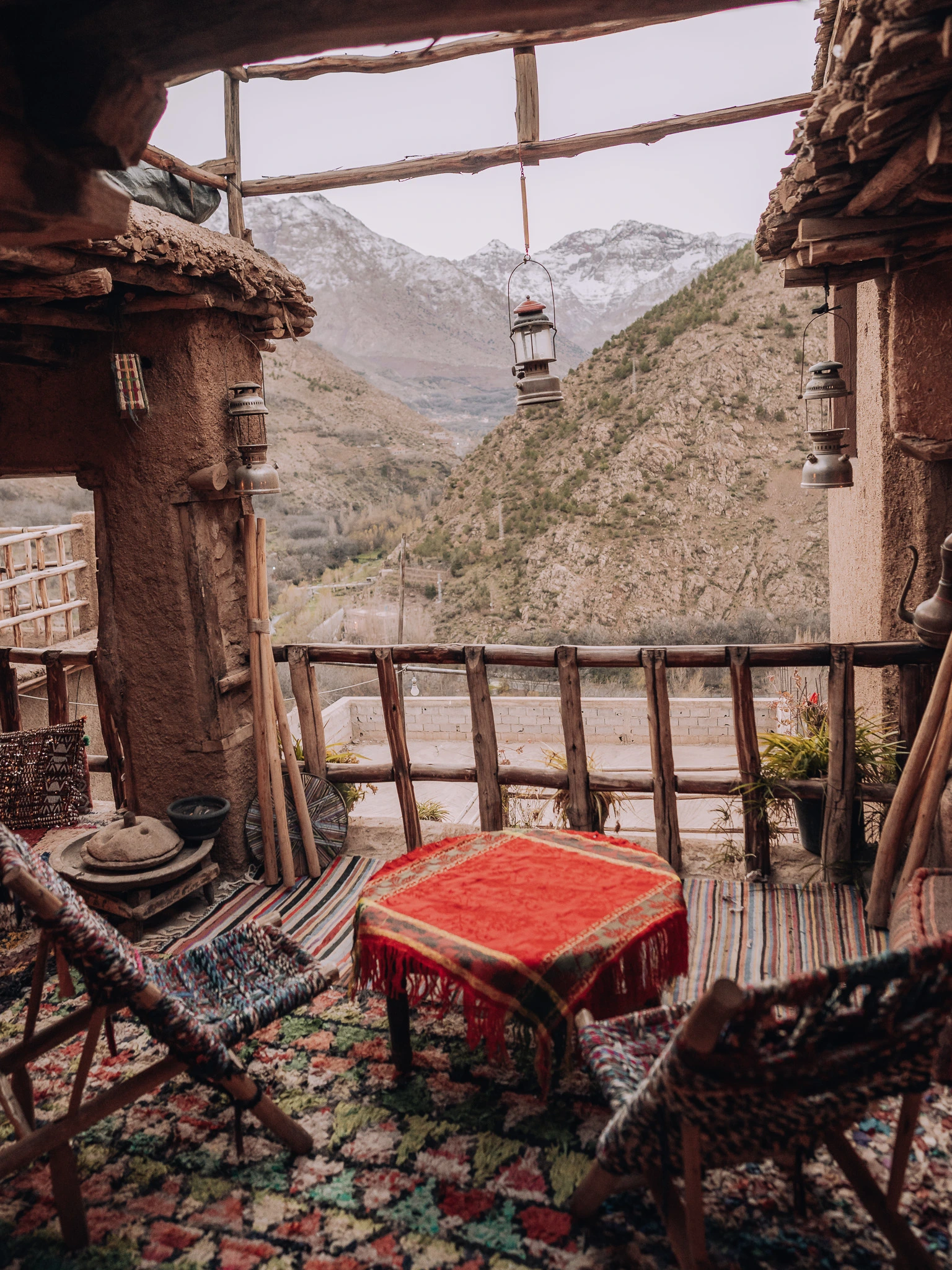
One of the highlights of the trip wasn’t actually the mountain. It was where I stayed before.
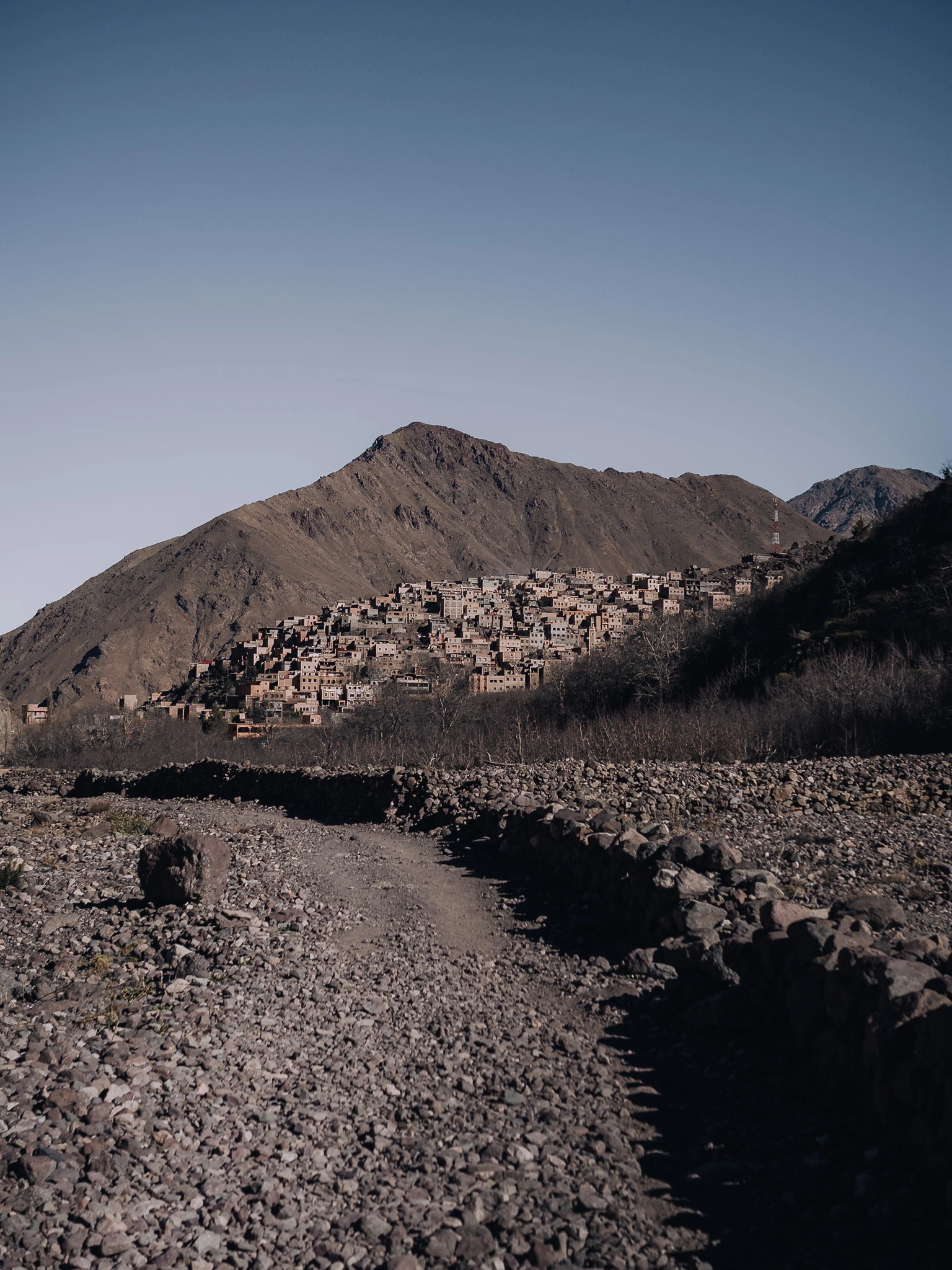
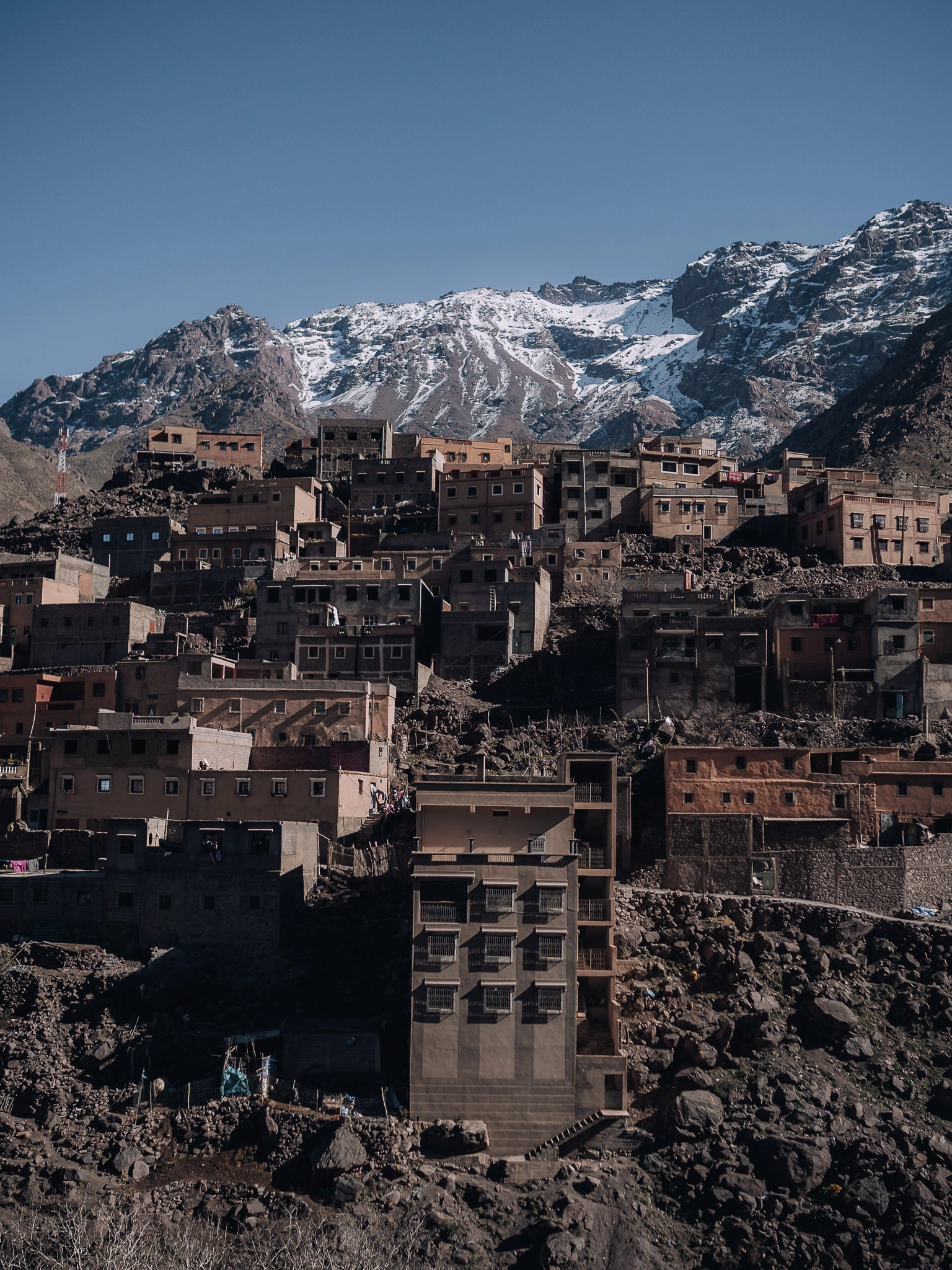
I spent my time at Berber Family Lodge, just outside Imlil, staying in a traditional Berber home overlooking the valley.
It was peaceful, incredibly welcoming and felt like a completely different world from Marrakech.
The best part was how easy they made everything.
They organised my airport pickup, accommodation, meals, mountain guide and the entire Mount Toubkal trek, meaning I didn’t have to spend hours trying to piece everything together myself. I sent a message from Gatwick London on instagram and shortly after everything was arranged.
Here are some accommodation ideas for when you get back to Marrakech. Riad Solange or Four Seasons Marrakech
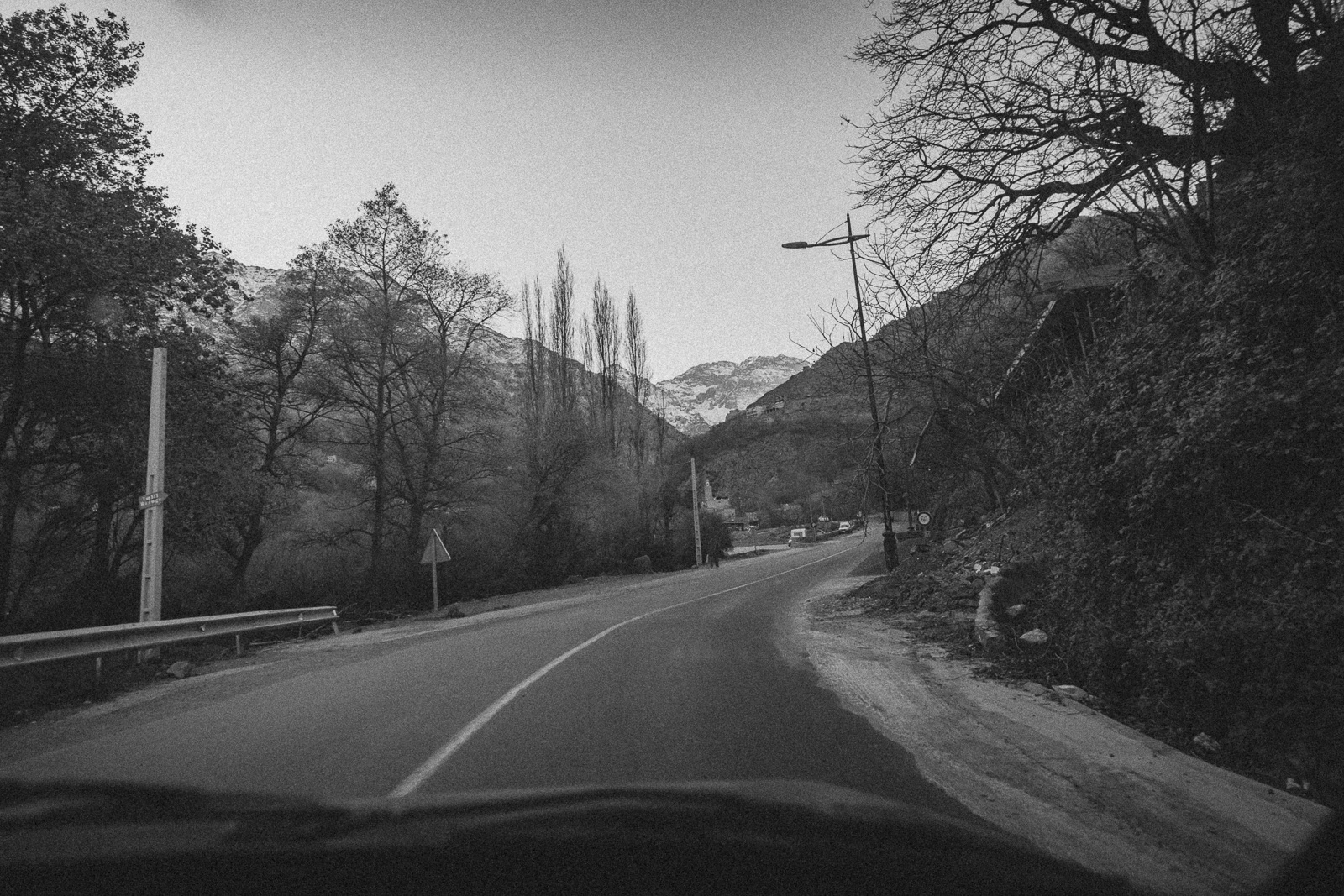
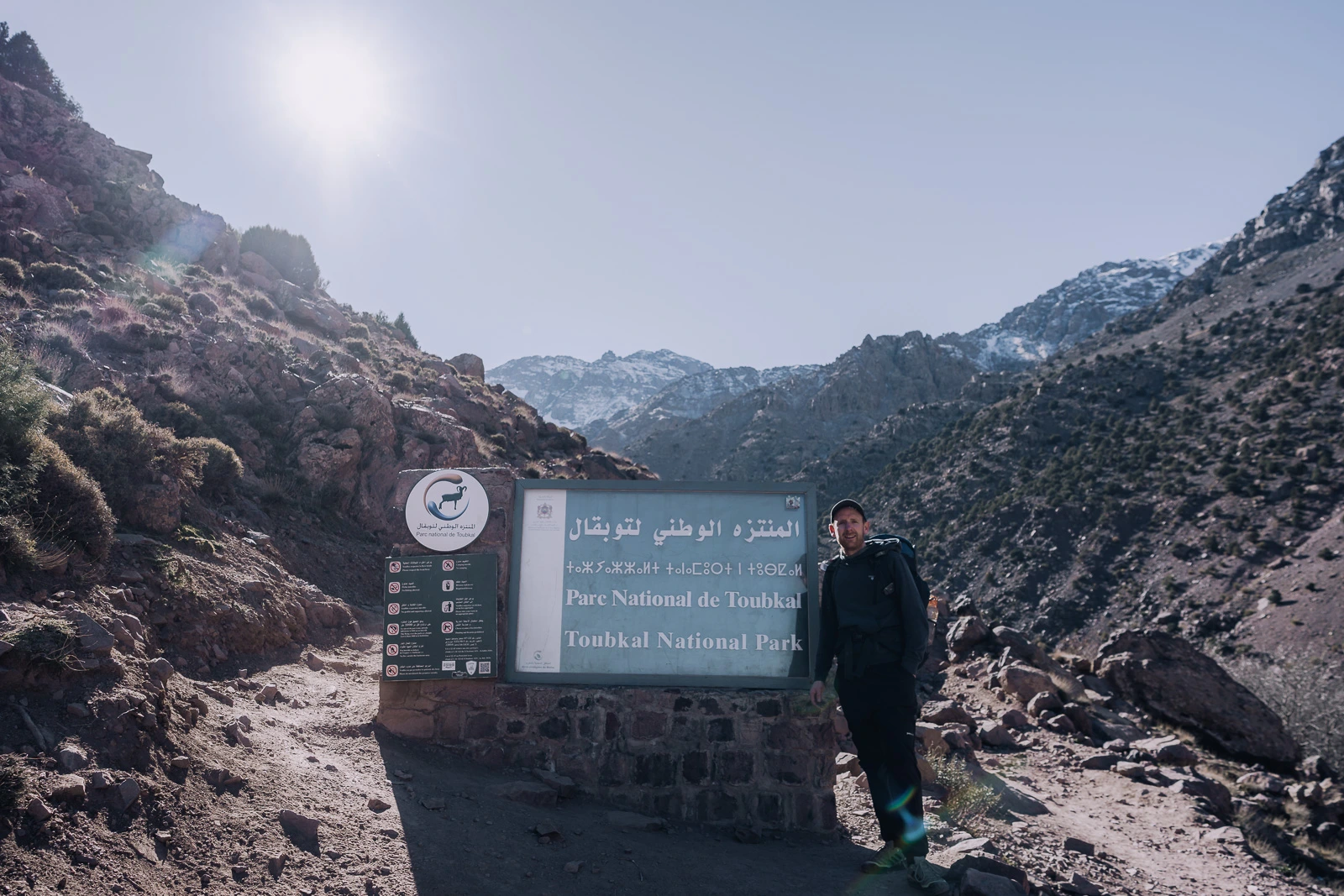
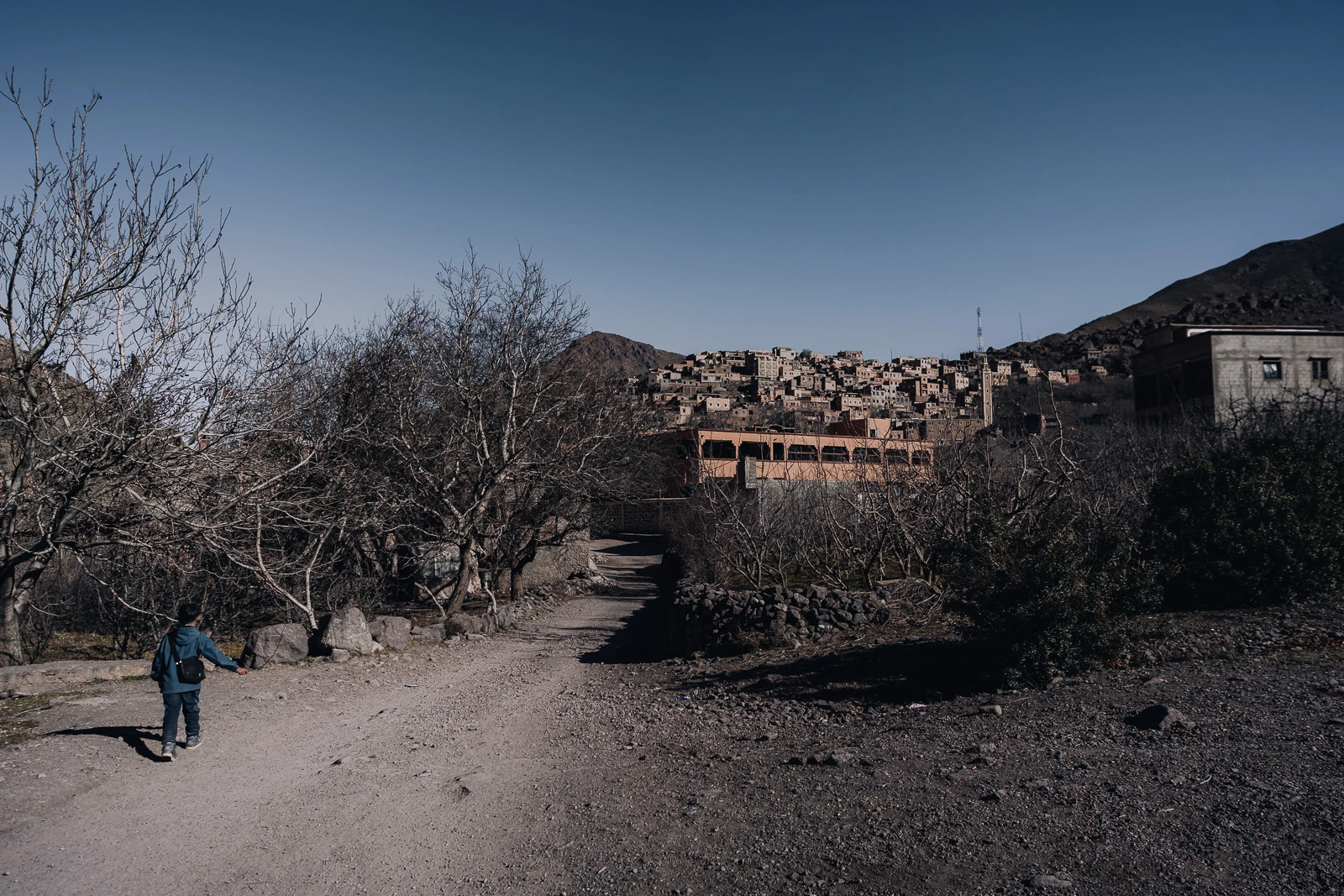
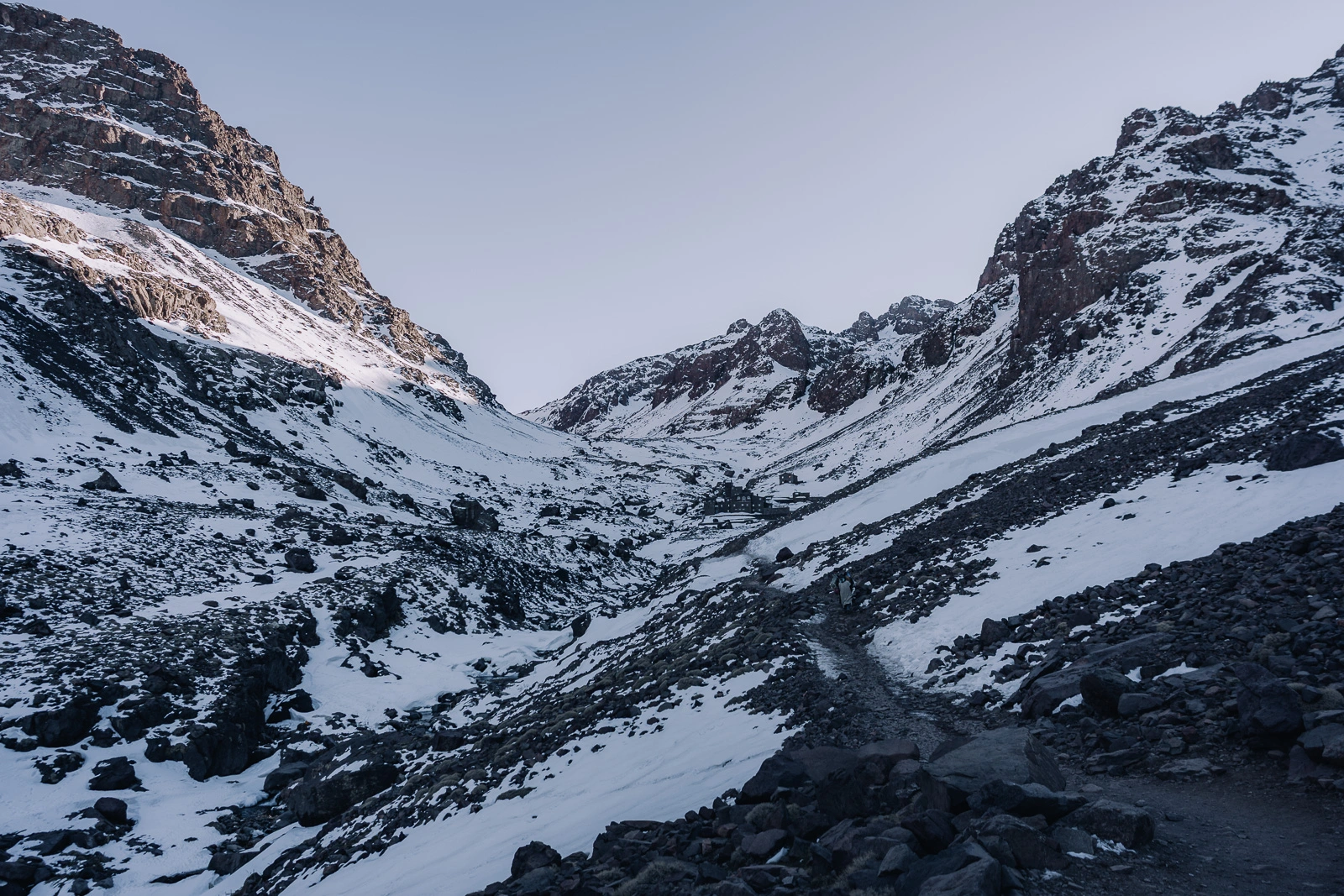
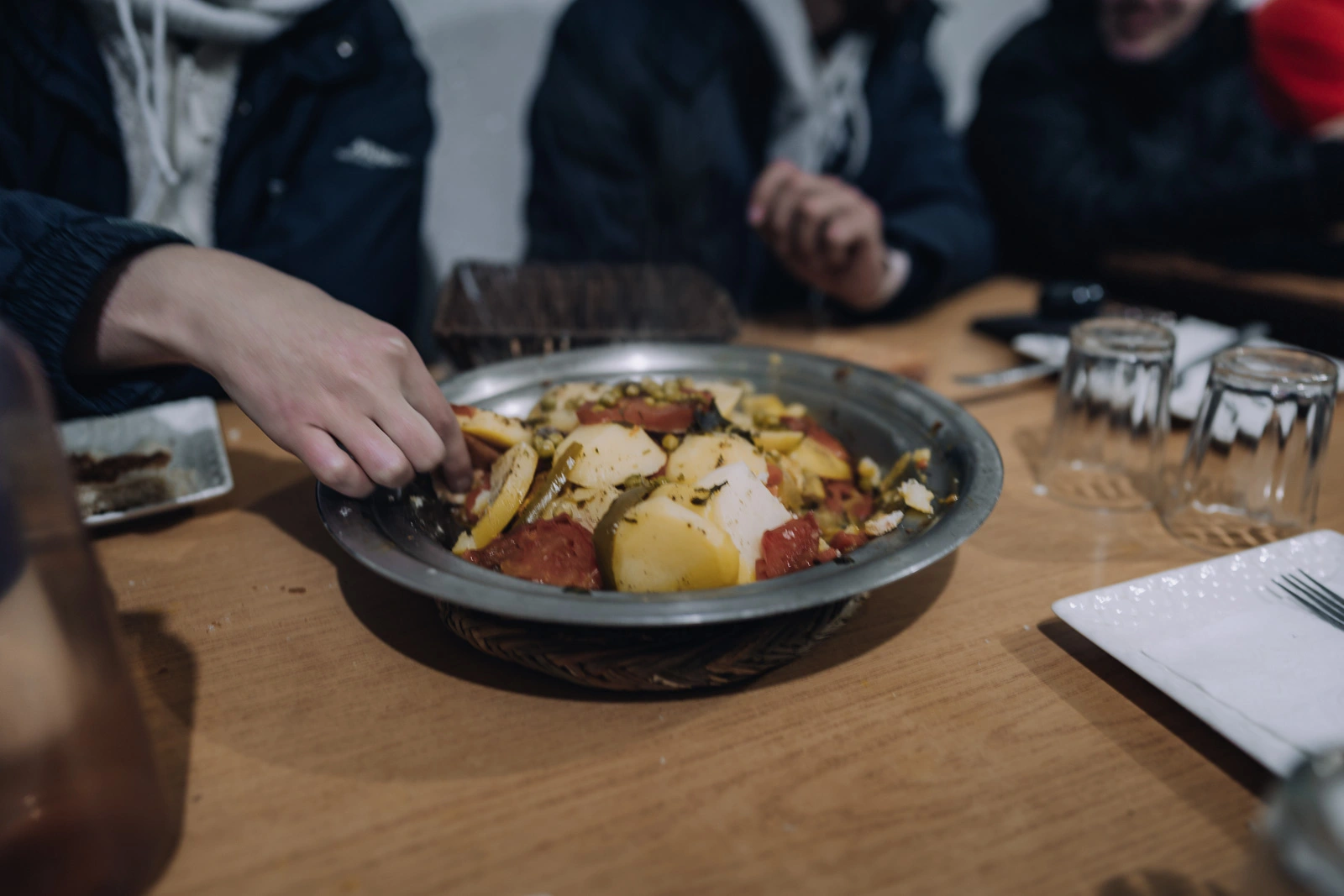
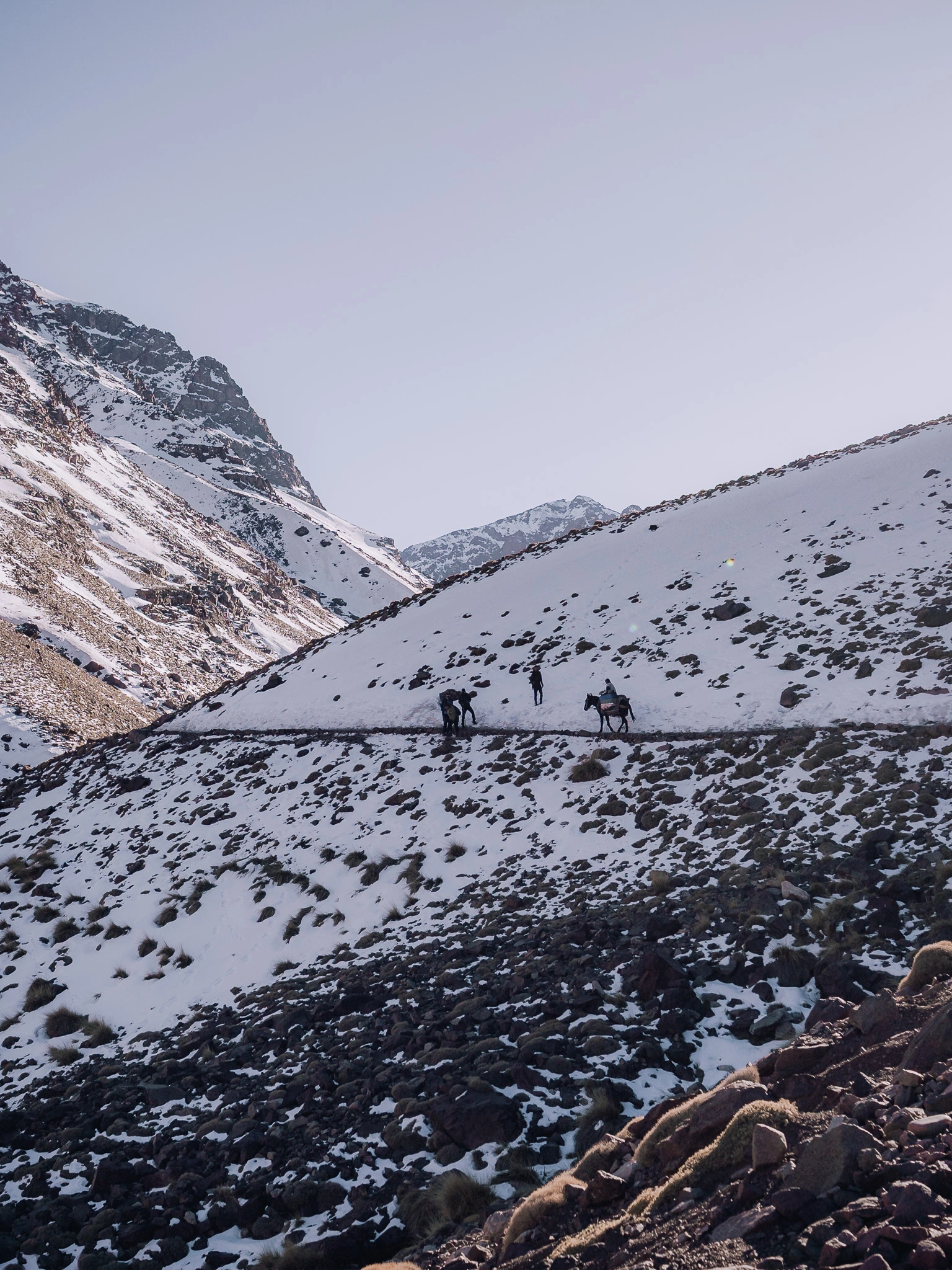
Day One | Imlil to the Refuge
The first day is really about finding your rhythm.
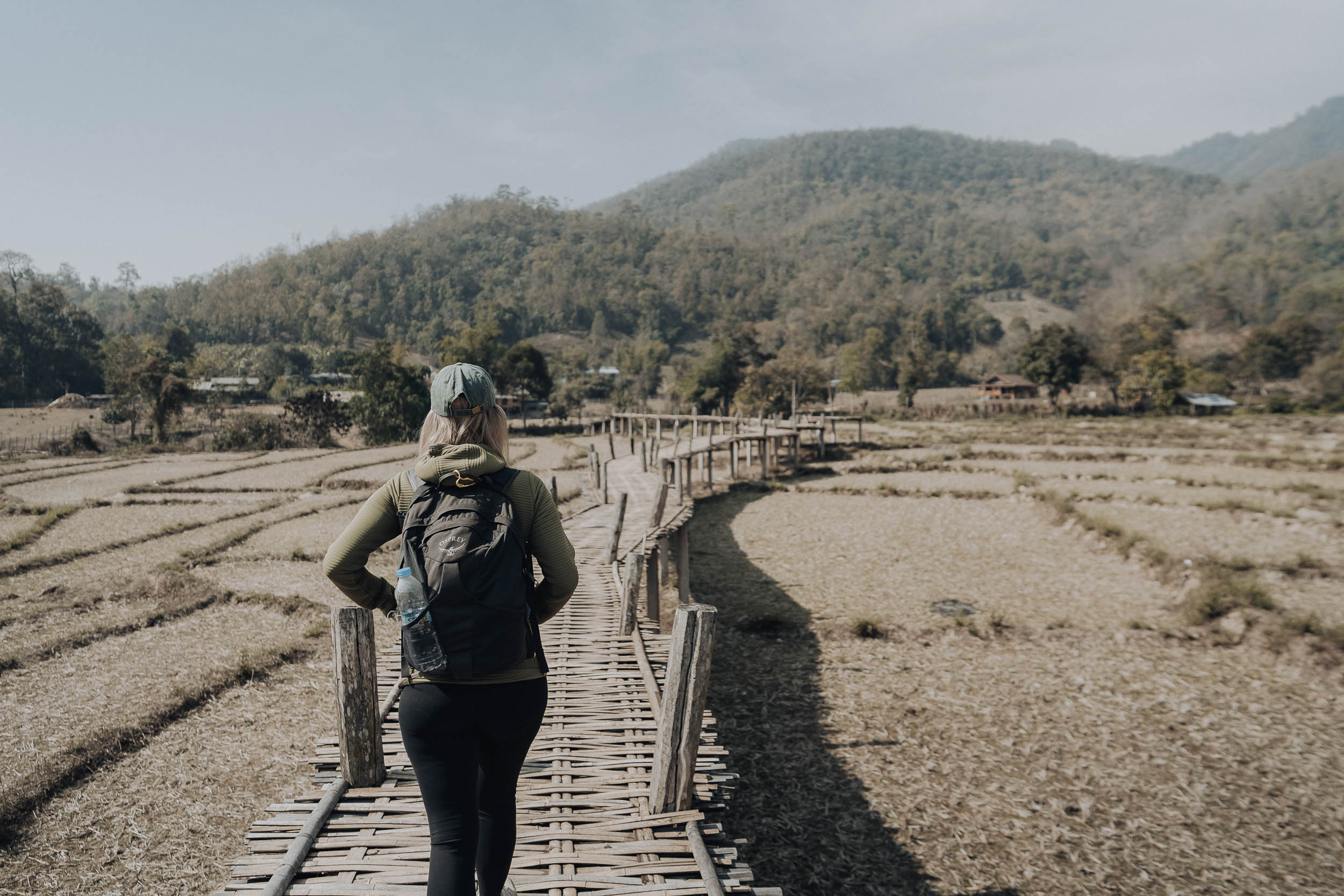
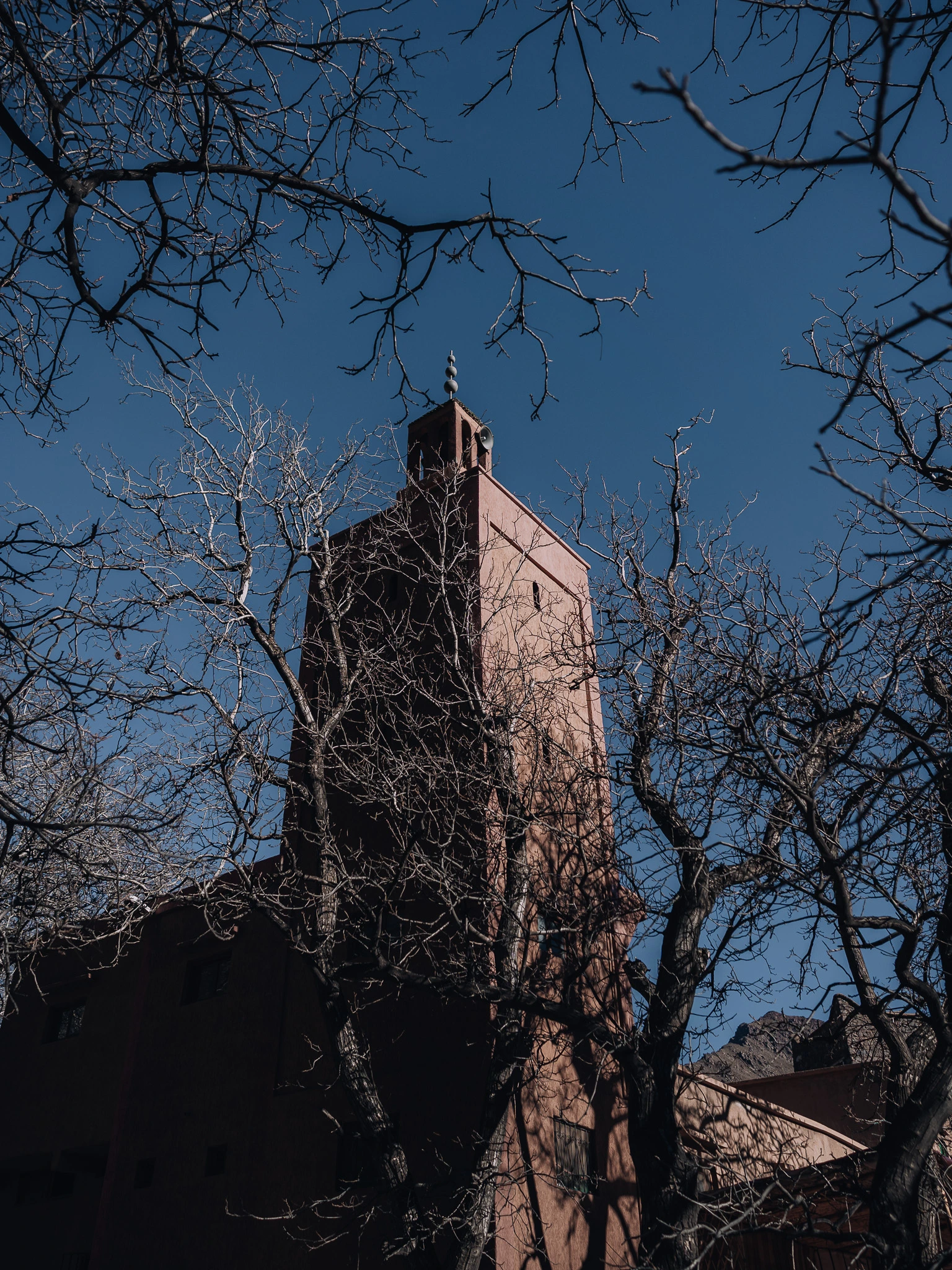
We set off from Imlil and gradually climbed through the valley, passing small Berber villages, walnut trees and mountain streams before reaching Sidi Chamharouch where we settled for lunch.
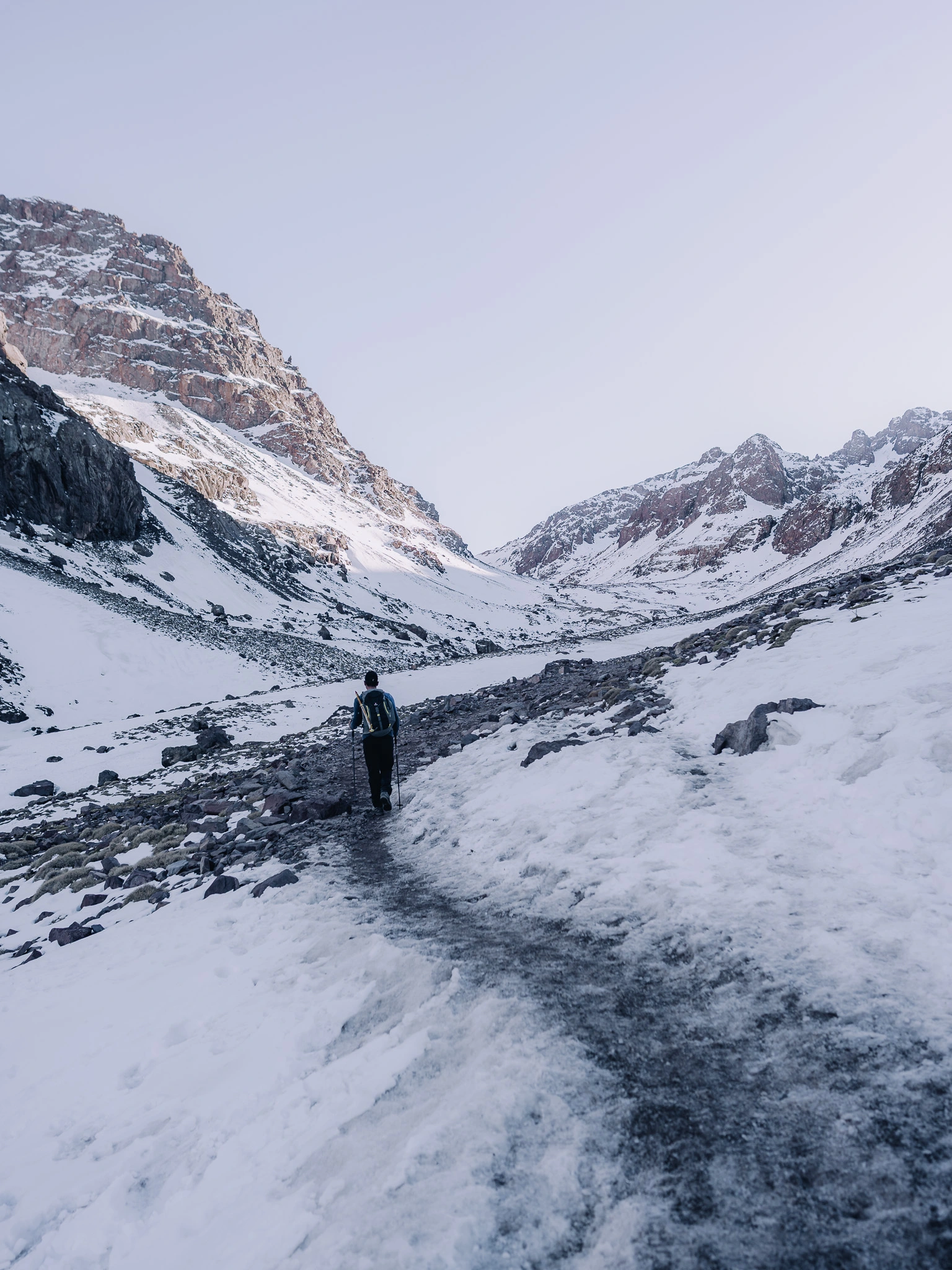
The landscape changes constantly as you gain altitude. What begins as a relatively gentle trail gradually becomes rockier and more rugged as you get closer to the refuge.
It’s a long day, but it isn’t technically difficult during summer conditions.
The biggest mistake you can make is trying to walk too quickly.
There is absolutely no prize for reaching the refuge first, and the altitude means your body is working harder than it normally would. Take your time, drink plenty of water and enjoy the surroundings.
Expect roughly 5–7 hours of walking, depending on your pace and route.
One of my favourite moments of the day was actually after the walking had finished: sitting outside the refuge with a cup of mint tea as the evening light disappeared across the Atlas Mountains.
It’s amazing how quickly everything becomes quiet up there.
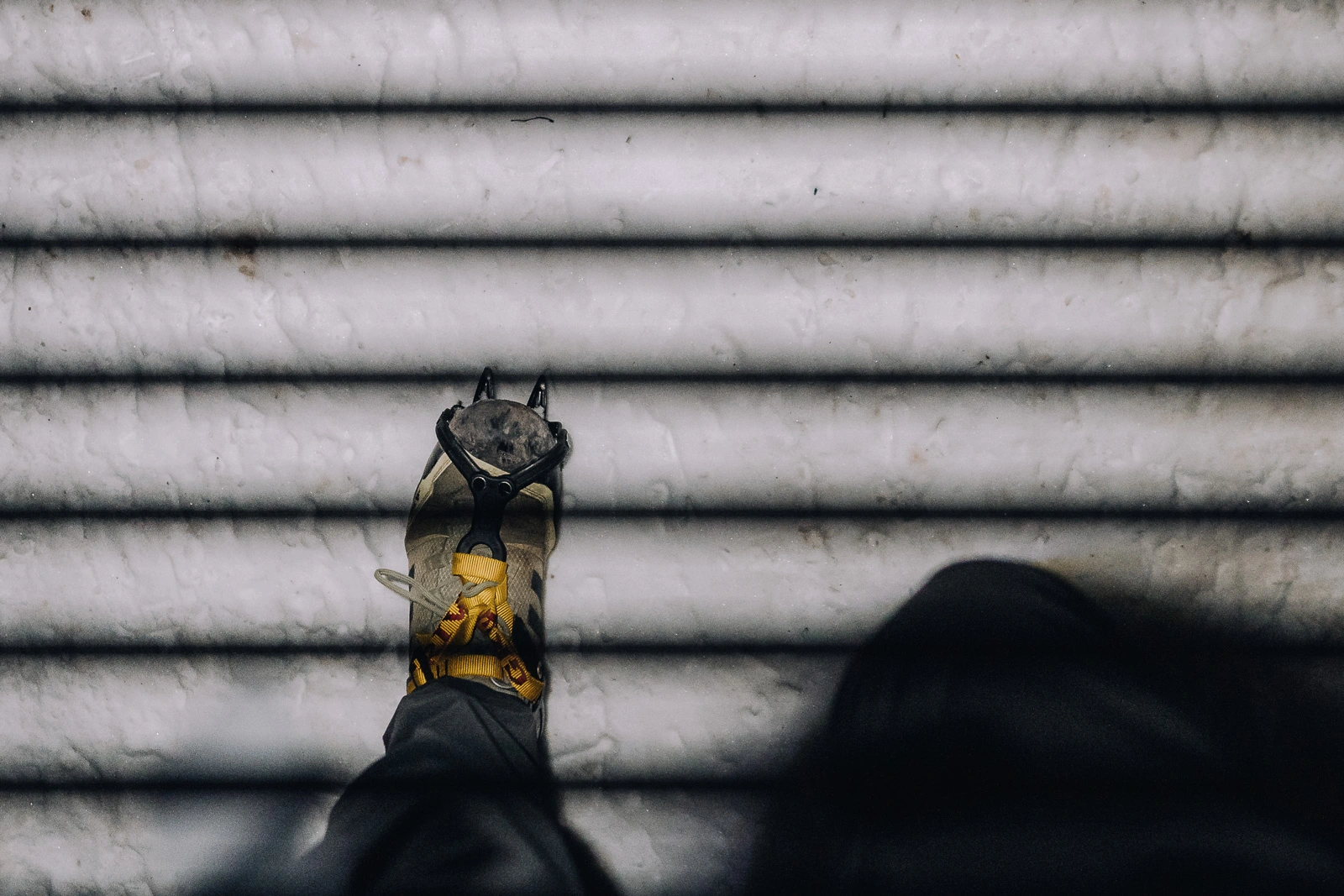
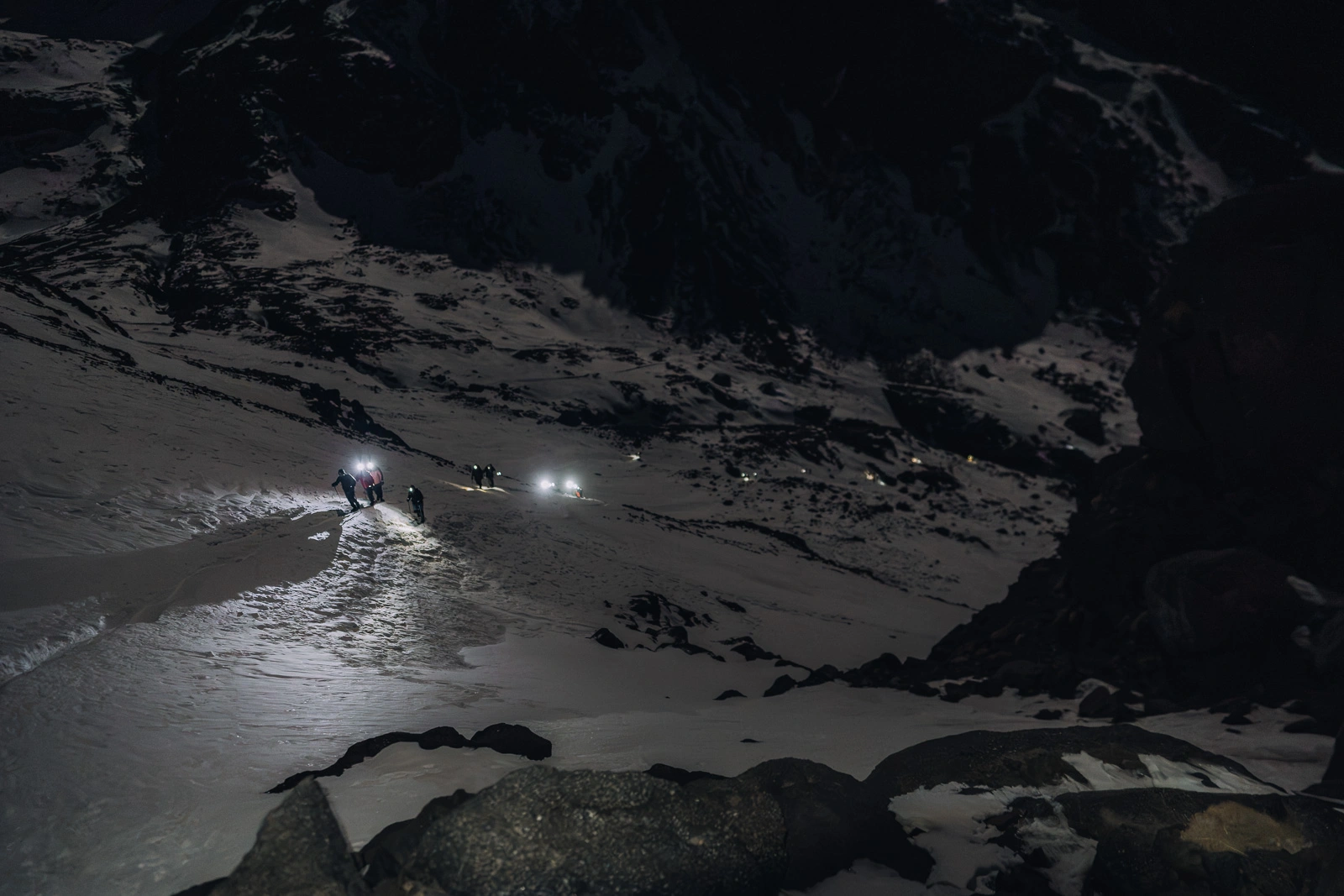
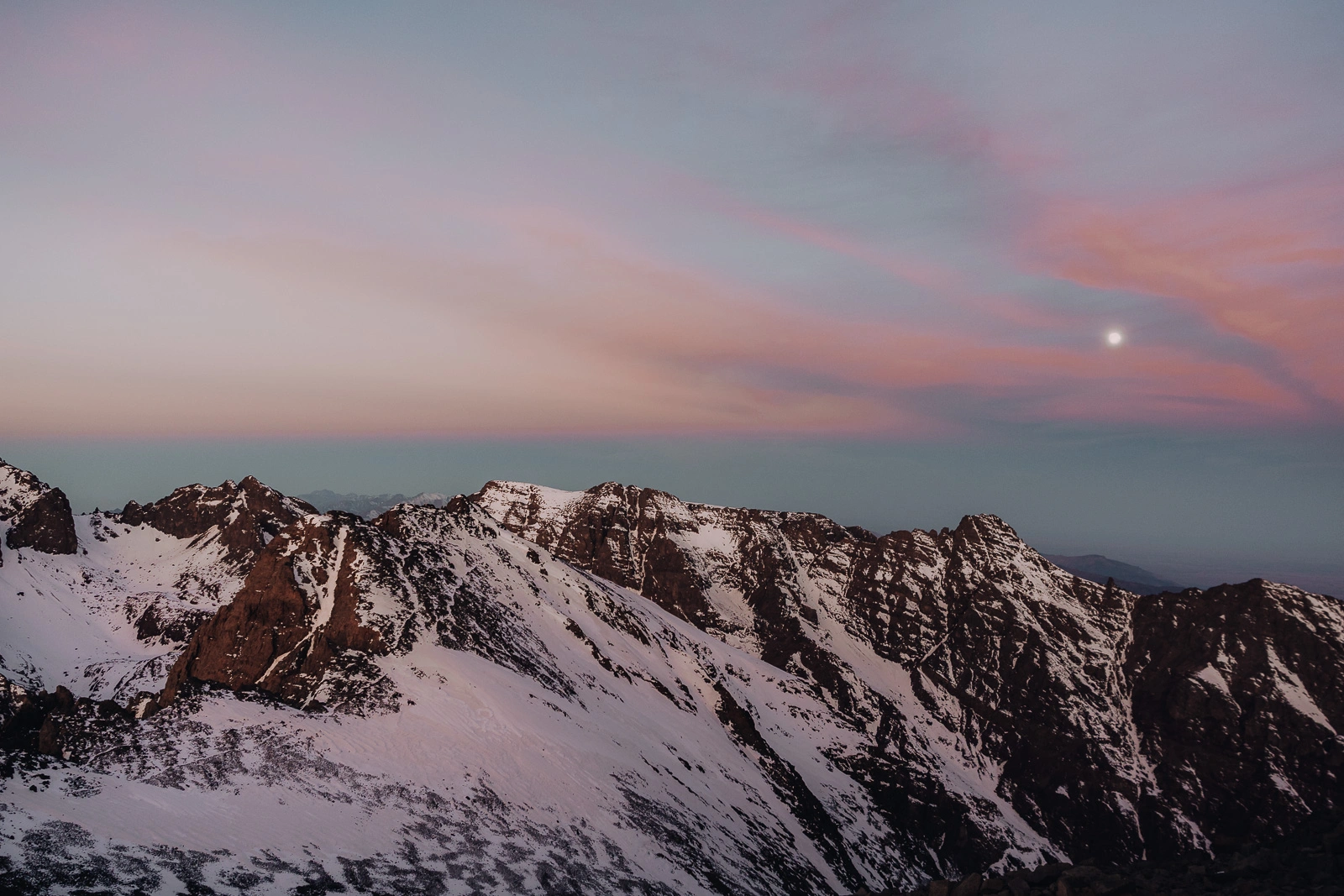
Summit Morning
The alarm goes off painfully early.
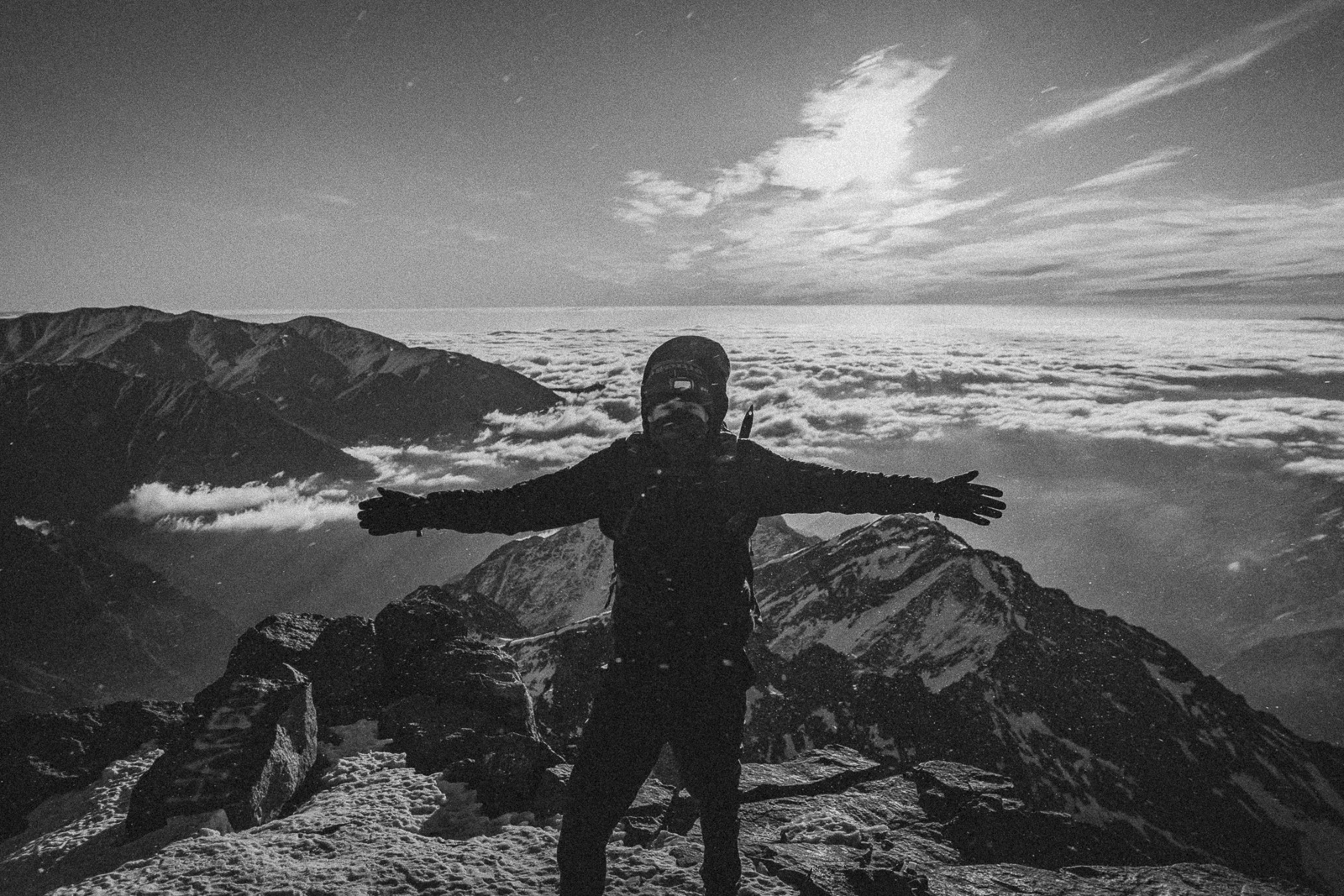
Most groups leave the refuge at around 4–5am, setting off into the darkness with headtorches before the sun begins to rise.
The temperature can be surprisingly cold at this time of day, even during summer, so having a good warm layer and gloves makes a huge difference.
The trail becomes steeper and more demanding as you approach the summit. The altitude is the biggest challenge rather than the technical difficulty of the route.
You’ll probably notice yourself slowing down.
That’s completely normal.
Take small steps, concentrate on your breathing and don’t worry about how quickly anyone else is moving.
Eventually, the ridge opens up and you get your first proper view from near the summit.
And then you’re there.
What I Packed
I tried to keep things relatively simple.
There’s no point carrying a huge backpack full of equipment you don’t actually need.
For a two-day trek, my essentials were:
| Item | Essential? |
|---|---|
| Waterproof jacket | ✅ |
| Warm down layer | ✅ |
| Hiking boots | ✅ |
| Trekking poles | Highly recommended |
| 2L water | ✅ |
| Snacks | ✅ |
| Headtorch | Essential |
| Gloves & beanie | ✅ |
Your exact kit will depend heavily on the time of year.
Conditions on Toubkal can change considerably outside the warmer summer months, so always check current conditions and take appropriate equipment for the season.
I took a small selection of camera gear from my travel photography gear blog post
My Guide
Having a local guide made the experience much more enjoyable.
My guide grew up in the mountains and knew the trails incredibly well. But more importantly, he gave me a much better understanding of the area and the people who live here.
Along the way, he shared stories about Berber culture and life in the Atlas Mountains, which added another dimension to the trek.
For me, that’s one of the reasons travelling with a local guide can be so rewarding. You’re not simply following a trail, you’re getting a glimpse into somewhere through the eyes of someone who actually calls it home. My guide Mustapha Id Ali Ouhammou made this experience so much better and you can get in touch via Instagram
Is Mount Toubkal Difficult?
Honestly?
It’s challenging, but you don’t need to be an experienced climber.
The biggest challenge is the altitude, combined with long days of walking and the very early summit start.
If you’re comfortable hiking for several hours and have a reasonable level of fitness, Mount Toubkal is an achievable goal for many hikers.
My biggest piece of advice is simple:
Walk slowly.
Drink plenty of water, eat regularly and don’t try to race up the mountain.
The mountain isn’t going anywhere.
Photography on Mount Toubkal
As a photographer, I obviously couldn’t leave the camera at home.
The High Atlas is incredibly photogenic, and the changing light makes the landscape feel completely different throughout the day.
The early morning light around the summit was easily one of my favourite moments to photograph, while the blue hour around the refuge created a completely different atmosphere.
For landscapes, I’d recommend something around 24–35mm, while a 70–200mm is great for compressing distant mountain layers and picking out details across the valleys.
I also found keeping my setup relatively lightweight made a big difference. There’s a lot to be said for having a camera you can actually enjoy carrying when you’re already climbing a mountain.
A Few Things I’d Know Before Climbing Toubkal
If I were doing the trek again, these are the things I’d keep in mind:
- Don’t underestimate the altitude. You might be fit, but altitude affects everyone differently.
- Walk slower than you think you need to. There is no benefit to rushing.
- Take plenty of water. Staying hydrated is important throughout the trek.
- Start early. The summit sunrise is worth the early alarm.
- Pack layers. Temperatures can change dramatically between Marrakech, Imlil and the summit.
- Use a local guide. They know the route, conditions and mountains far better than you will.
- Enjoy the villages and people along the way. The trek is about much more than reaching the summit.
- I’d recommend checking the Toubkal mountain forecast at the summit elevation before your trek, rather than relying on the weather forecast for Marrakech or Imlil.
Final Thoughts
Mount Toubkal surprised me.
I expected a great hike, but I didn’t expect to enjoy the people, the Berber hospitality and the slower pace of life in the Atlas Mountains quite as much as I did.
What I liked most was that the experience didn’t feel overly complicated. I arrived in Morocco, found a place to stay, found a guide and a couple of days later I was standing at 4,167 metres watching the sun come up.
Sometimes the best travel experiences are the ones you don’t plan too far in advance.
If you’re looking for an adventure in Morocco that combines spectacular mountain scenery, local culture and a genuine sense of achievement, Mount Toubkal is one to put on the list.
And if you end up staying with Berber Family Lodge, tell Mohamed I said hello.
A Few Days Exploring Marrakech
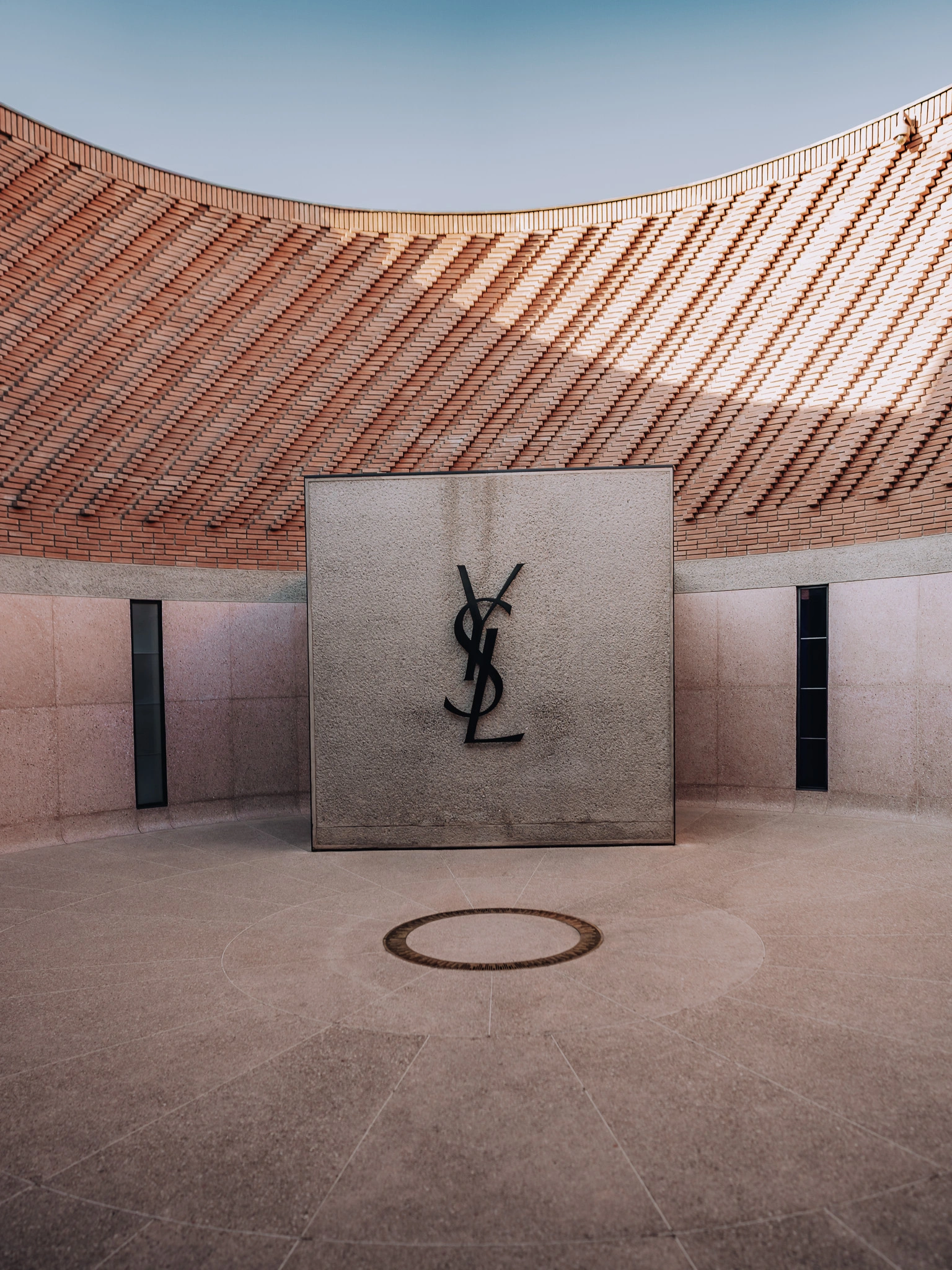
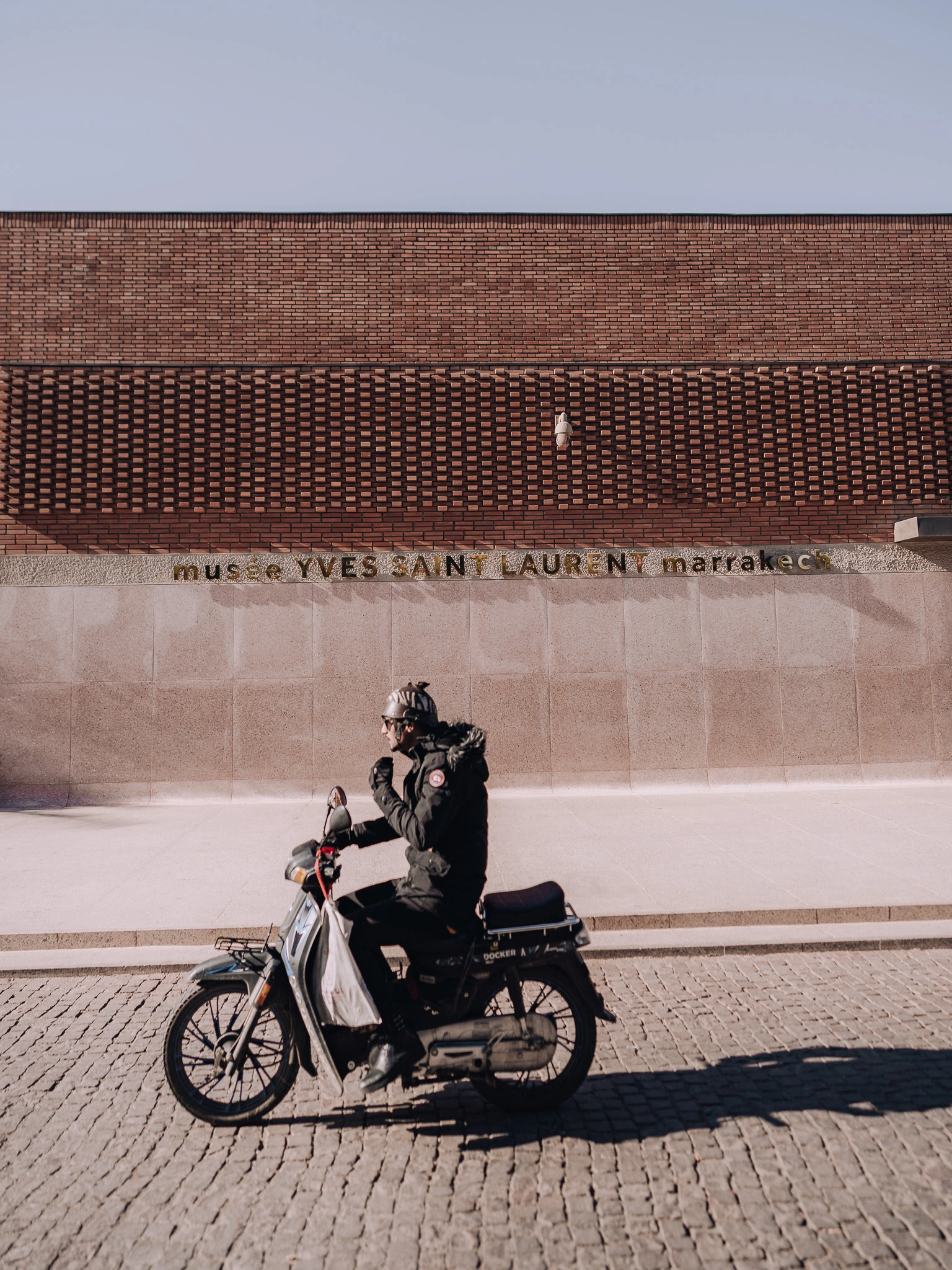
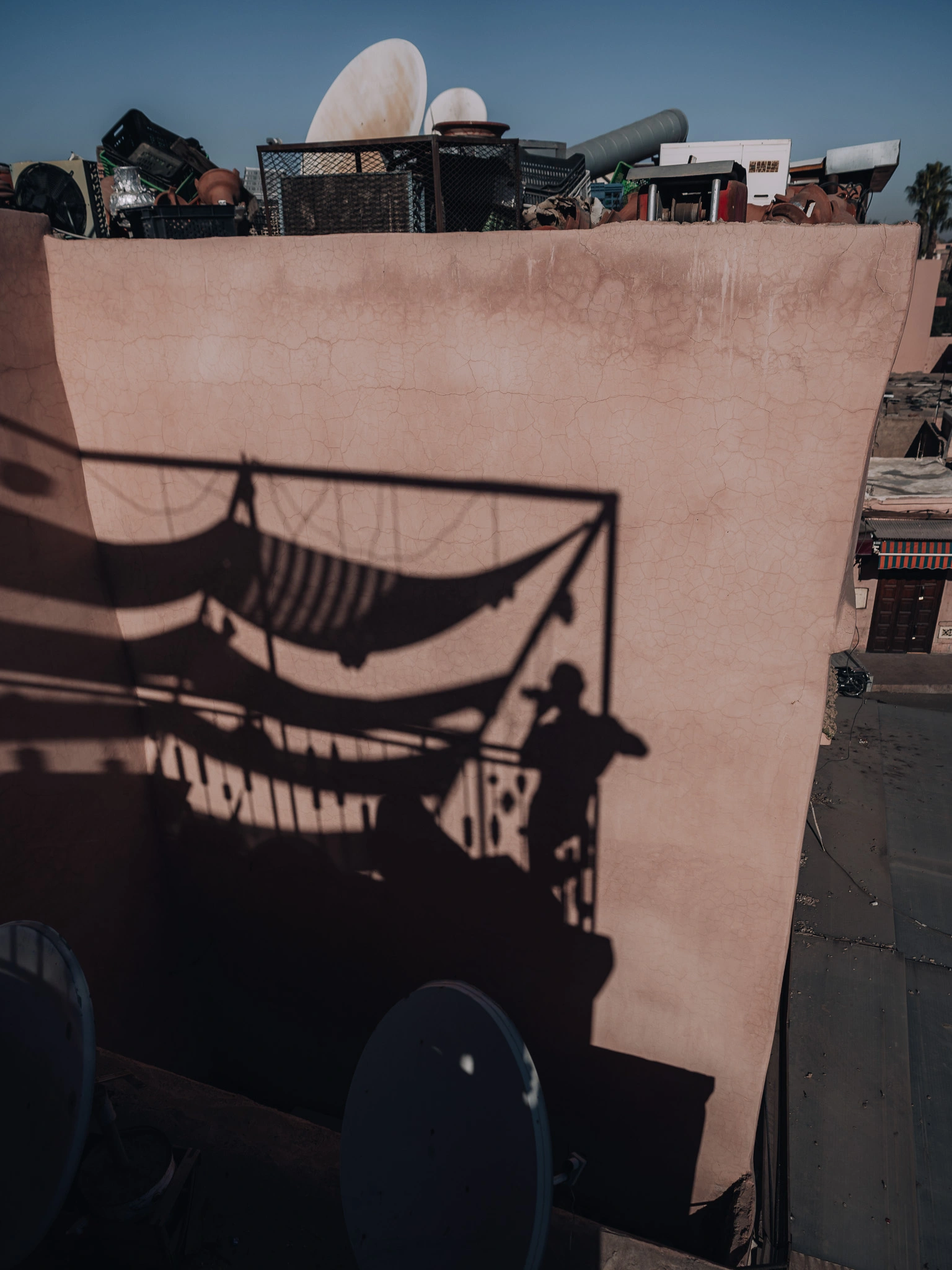
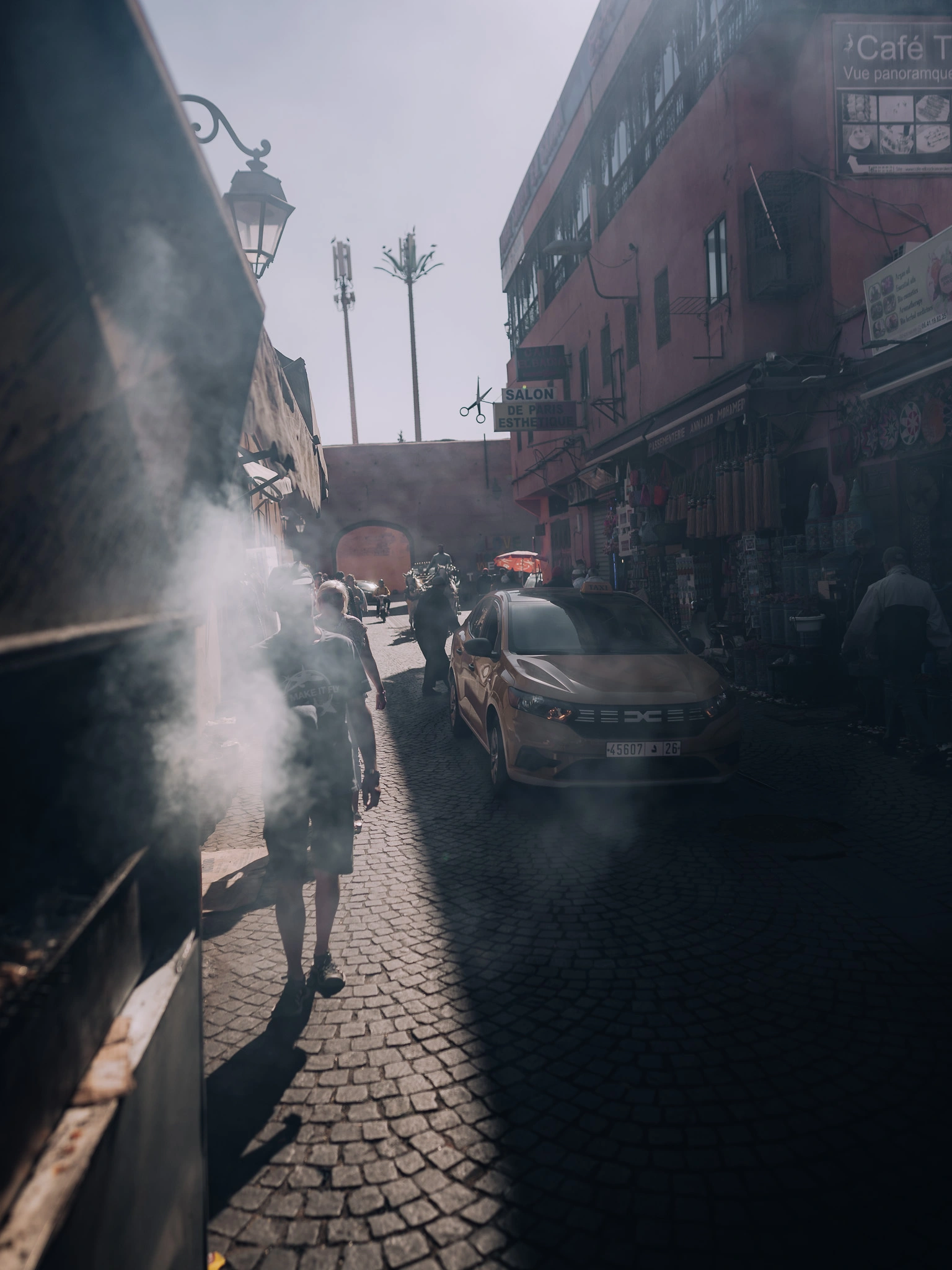
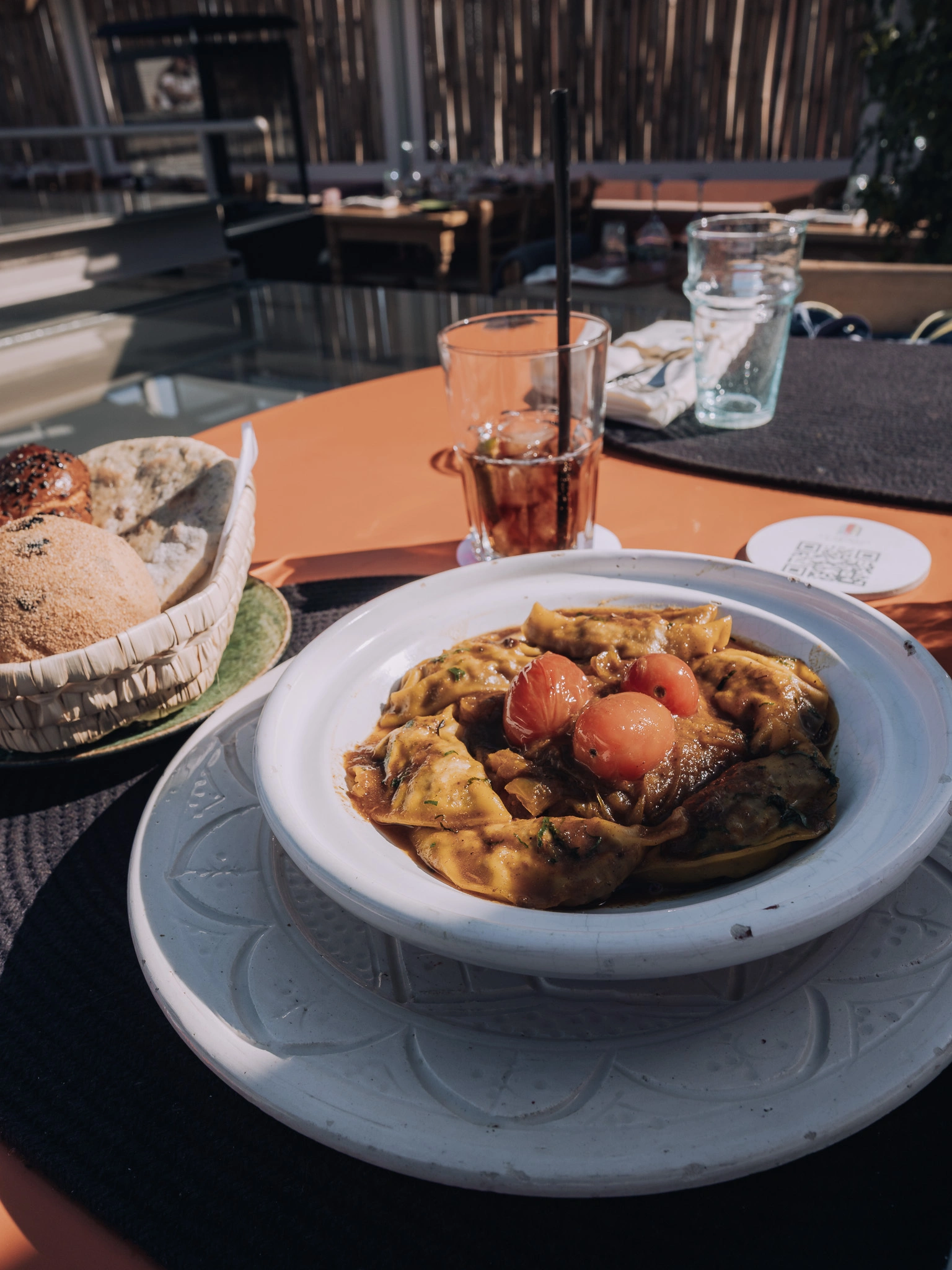
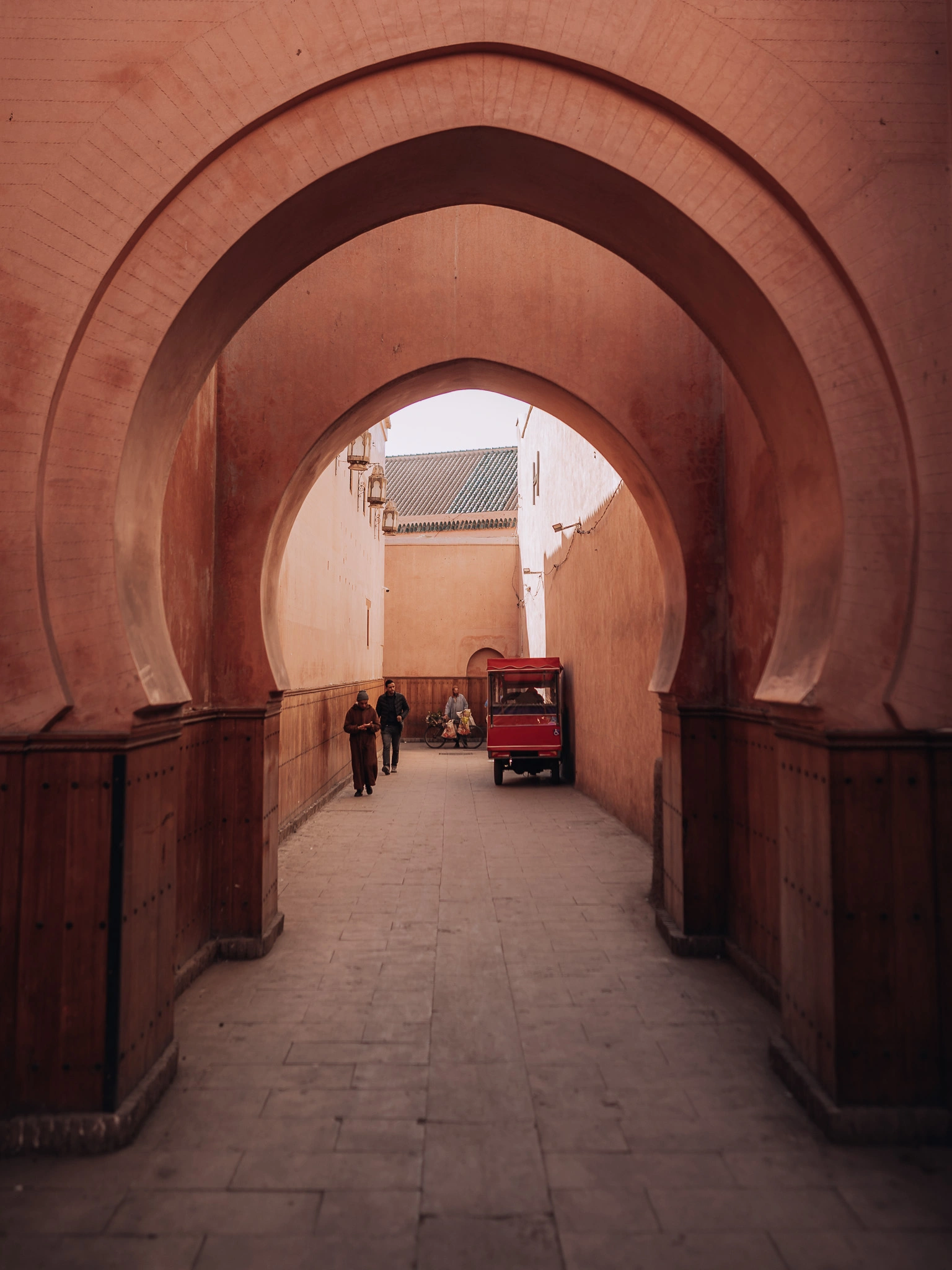
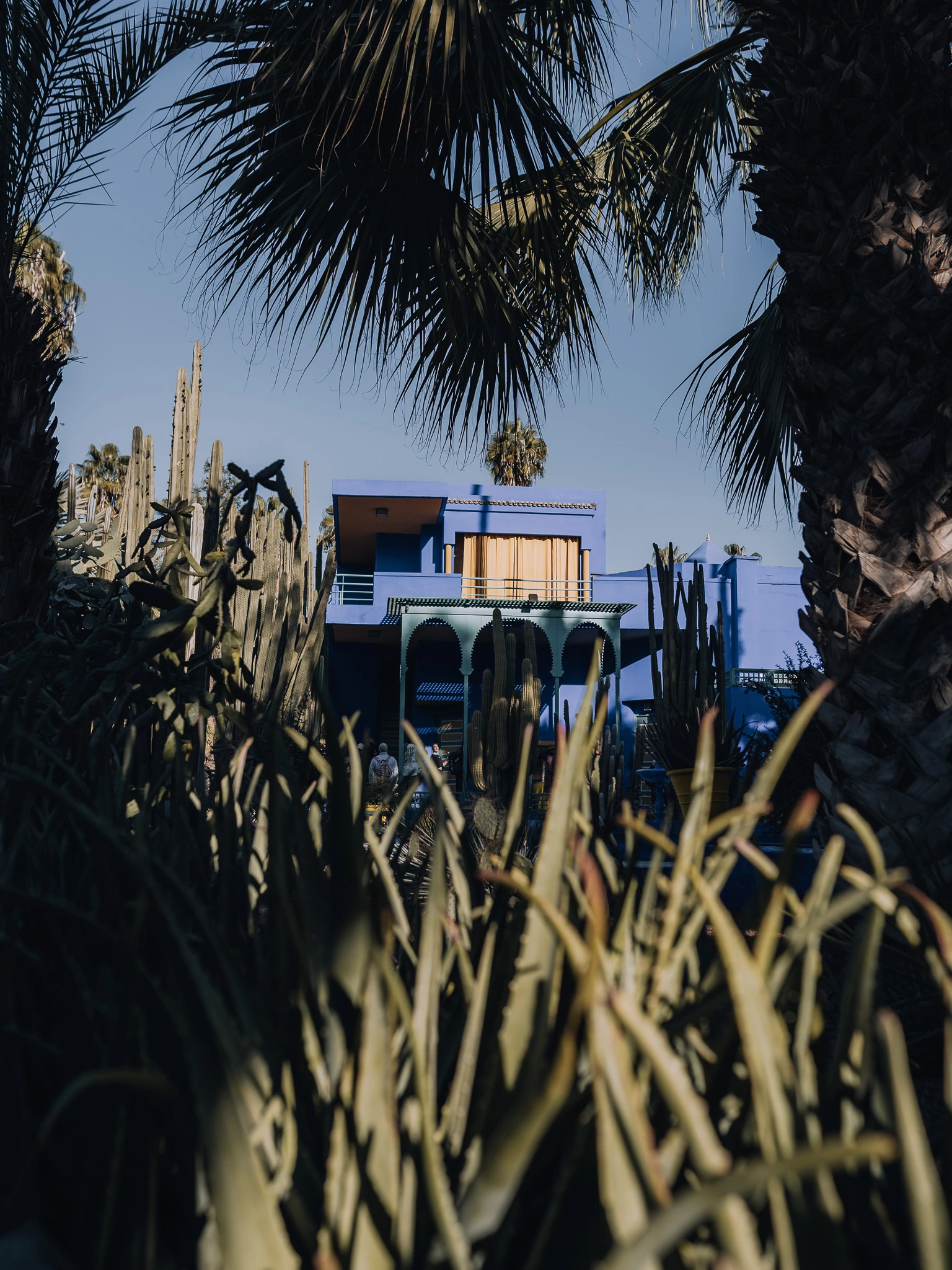
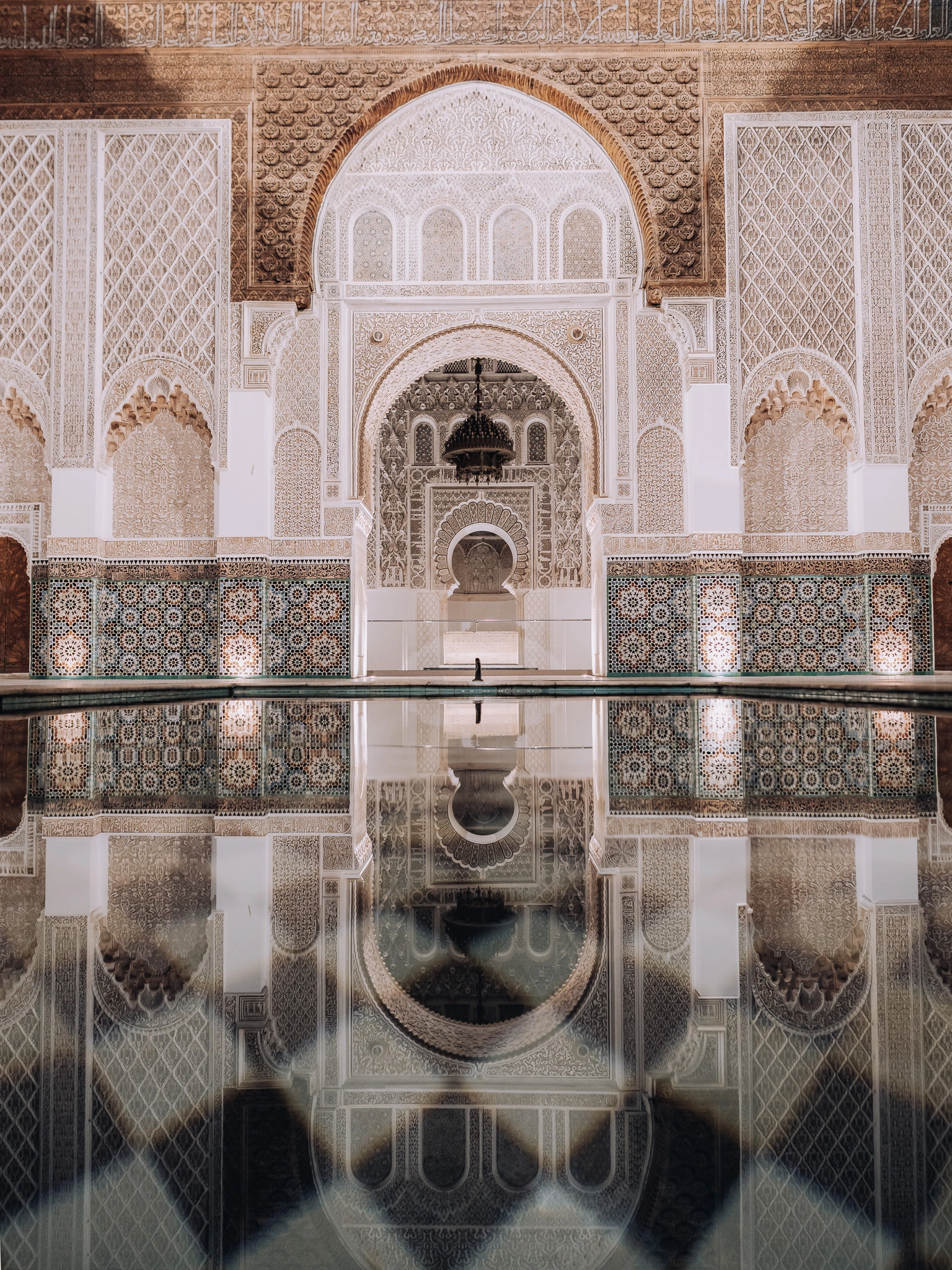
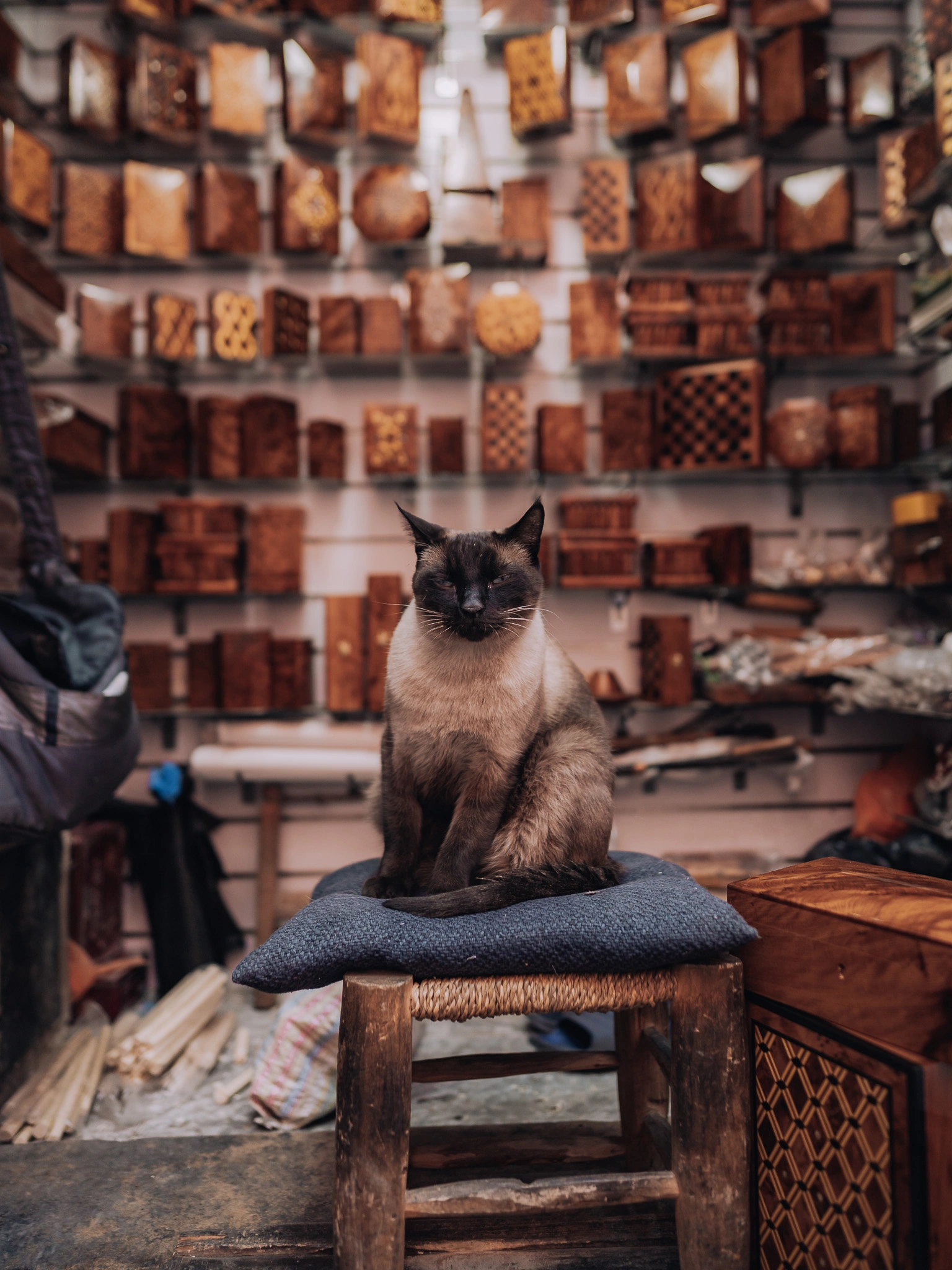
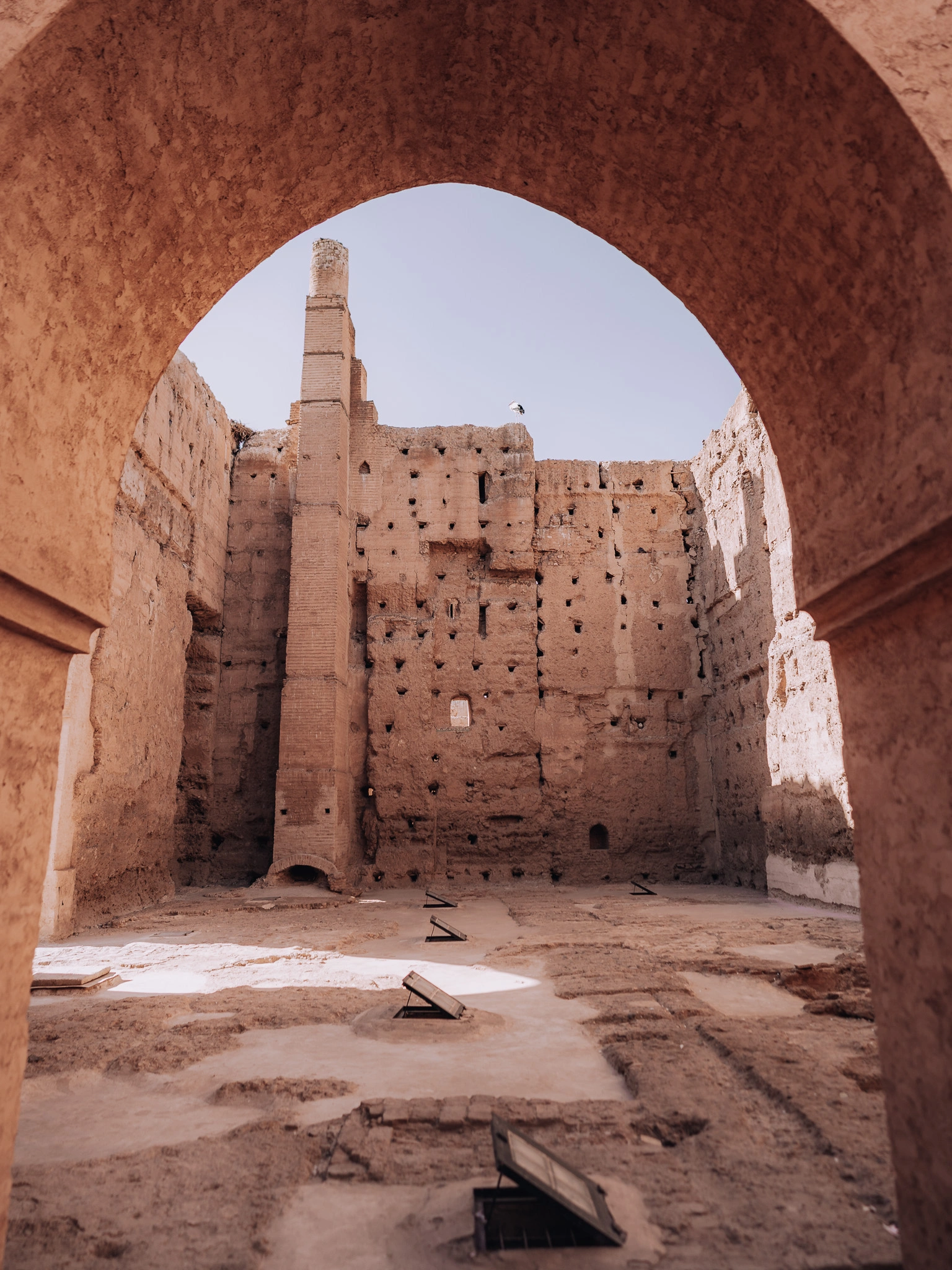
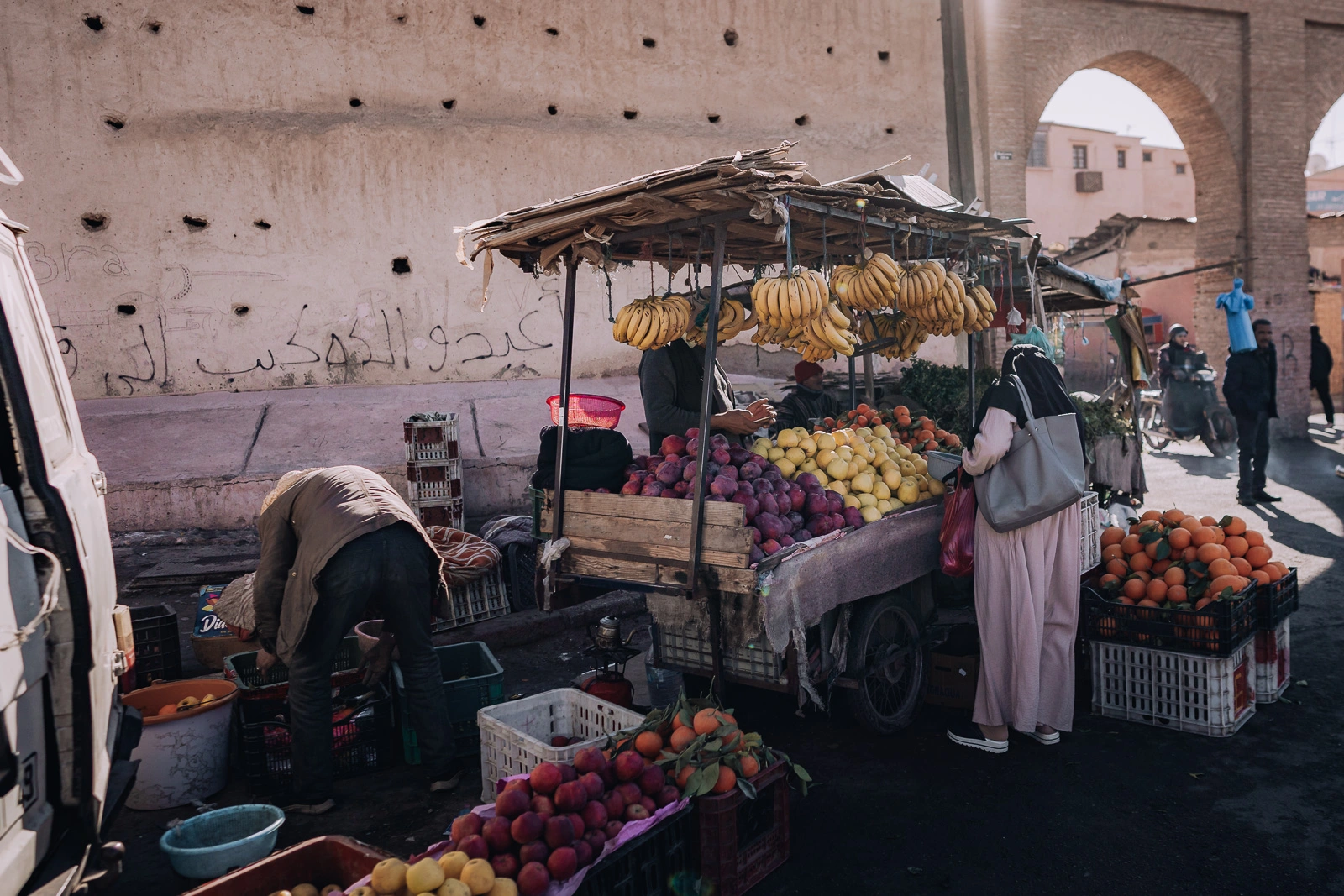
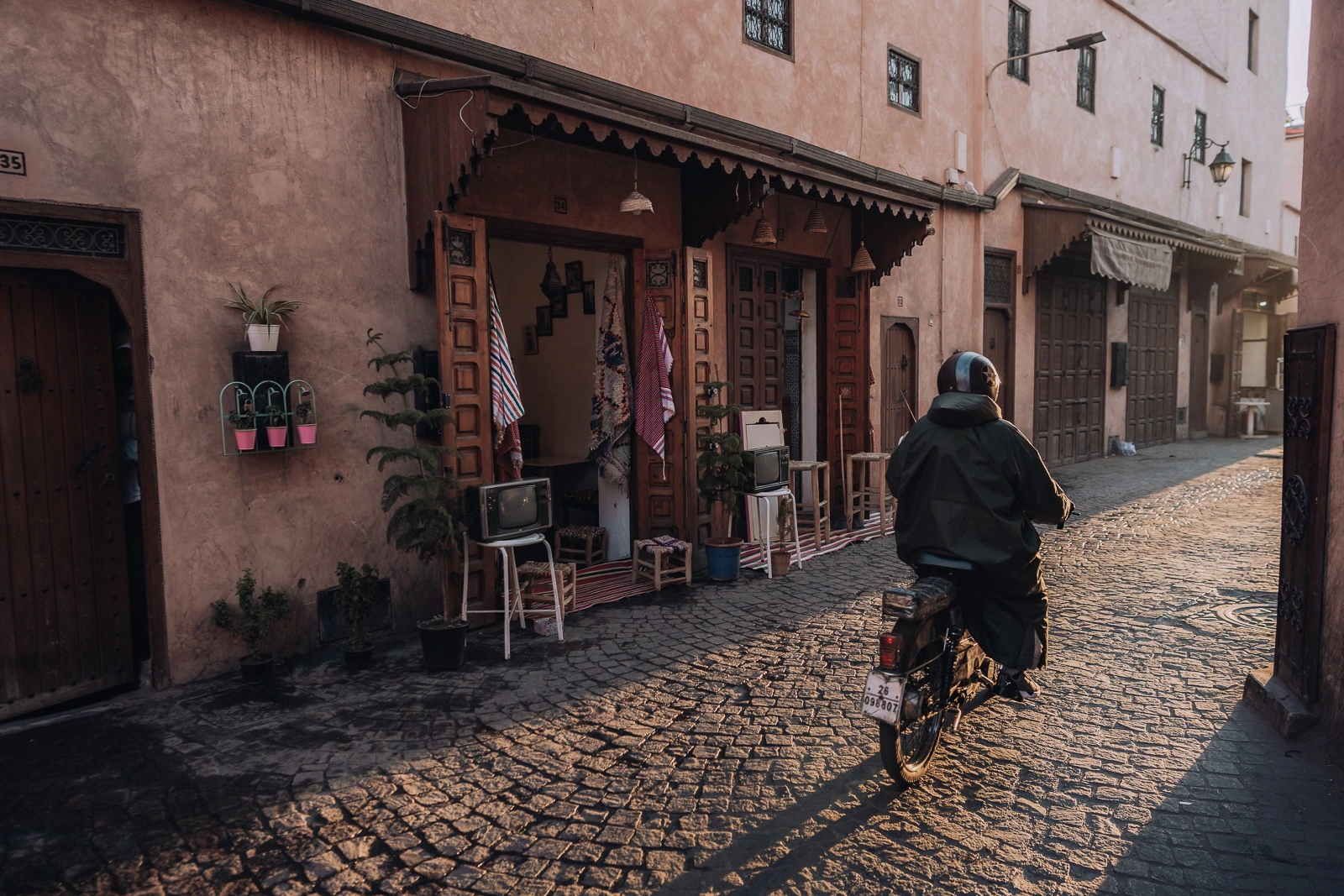
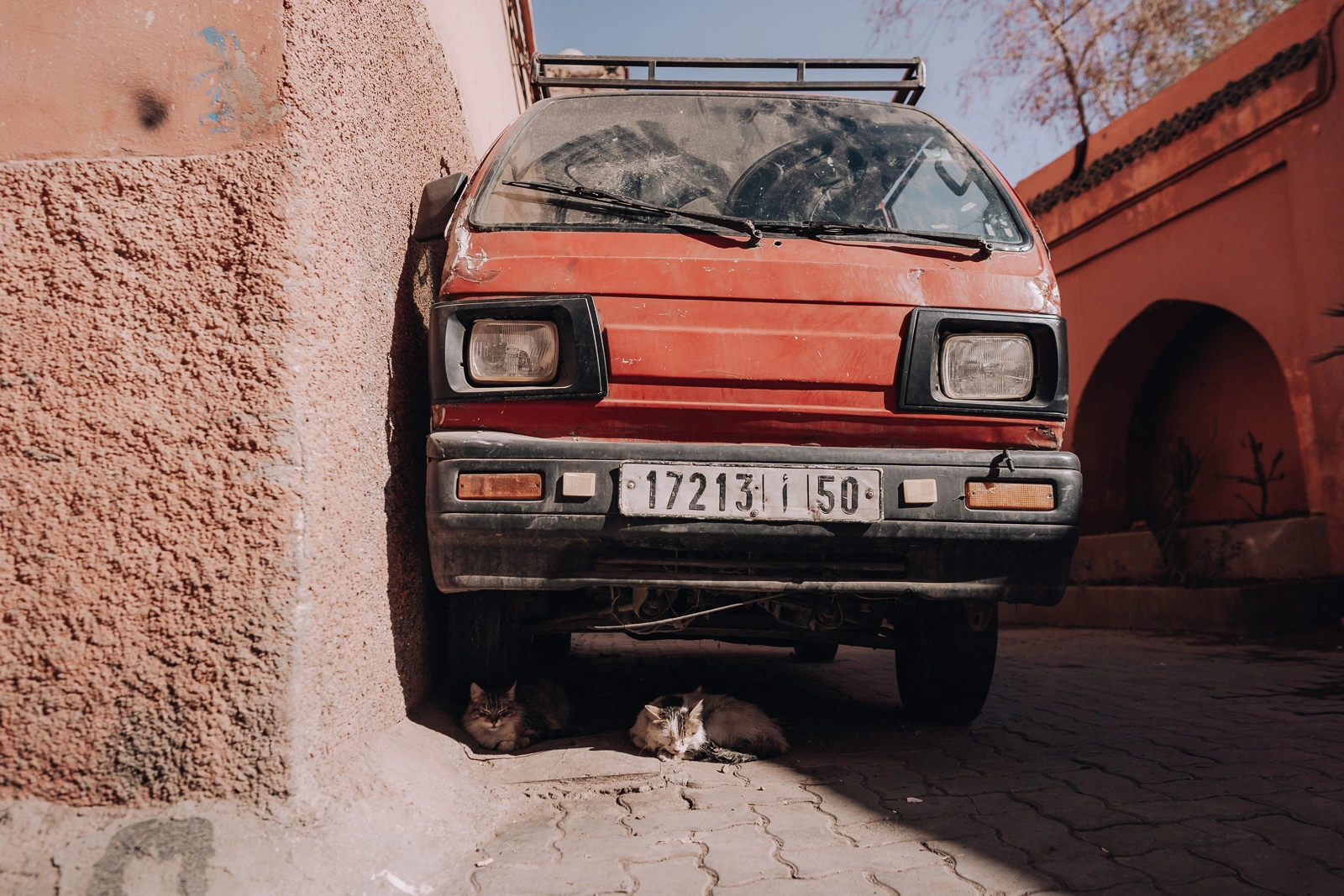
After two days in the High Atlas, returning to Marrakech felt like stepping into a completely different world. The quiet mountain trails were replaced by the energy of the medina, where colourful souks, hidden courtyards and the smell of fresh spices filled every street. It was the perfect way to end the adventure, spending a few days exploring places like Jardin Majorelle, Ben Youssef Madrasa and El Badi Palace, while slowing down and soaking up everything the city has to offer.
Work With Me
I’m a travel and hospitality photographer creating natural, story-led photography and short-form films for hotels, tourism boards and outdoor brands across the UK and internationally.
Planning a campaign in Morocco or beyond? Get in touch